 Wow, something very unusual...
From a fat, fleshy rootstock grow tufted rosettes
of shallow to deeply toothed, reniform leaves. The erect to decumbent
stems have smaller, short-stalked, lanceolate leaves and are 2-4” inches
long. Tight, globular heads of 20 or more flowers, each to 1” inch
long, are held at the ends of each stem, and each flower is a delicate
object in itself. A pale lilac inflated flask or club-like base that, as
it tapers to a very thin neck, changes color to a deep or almost
blackish purple. From the end of the thin neck protrudes the deep purple
forked and twisted stigma.
It grows in narrow, lofty crevices of limestone cliffs in the southern
Alps and the Dolomites to around 2000 m, where the roots creep through
any narrow cracks and anchor the plant firmly to the rocks. There is no
humus in the crevices, but a very sandy substratum. It prefers to grow
on shady, damp, limey rocks and does not like low winter temperatures
nor dry, hot summers, but a humid and cool climate. Very rarely white
forms or red colored may occur. Zones 5-8.
This is not an easy plant to grow. It needs slug protection and is best placed in a crevice or containers.
Seeds found here....
Tuesday
Alpine Tufted Horned Rampion Physoplexis comosa


Thursday
Elephant Ear Roxburgh's Fig
This is a evergreen to semi-deciduous, spreading, large shrub or small tree reaching 15’ feet tall and as wide.
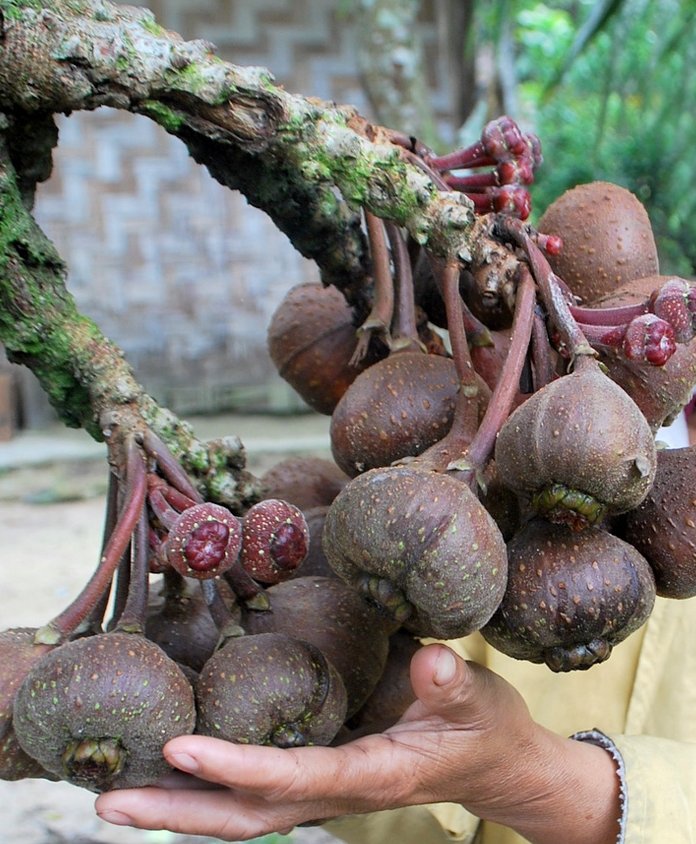
Ficus auriculata is the Fig tree with the largest leaves in the rain forests of the Chinese Yunnan province.
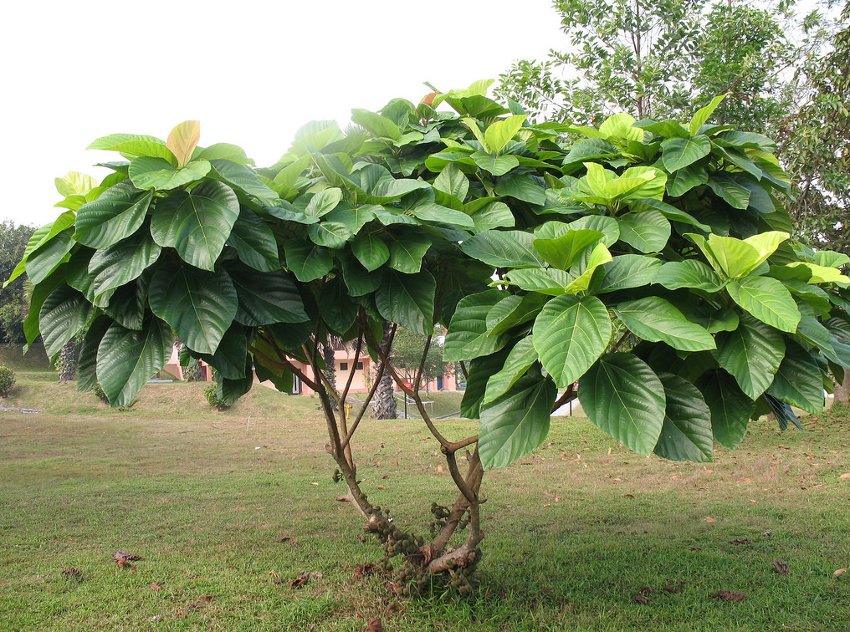 The young evergreen leaves are
starting intensely red, and turn the greenest when reaching their
ultimate size of up to 20” inches length. It can also easily be trimmed
and the plant reacts with even more shoots and leaves on a thicker stem.
The new growth is a deep red. Figs form in clusters on the trunk and
larger branches, are green and red on the inside.
The whole fruit tastes fairly sweet. It is full of an attractive jelly-like substance, which is much sweeter than the pulp. The absence of acidity, however, makes it slightly flat in taste. The overall fruit quality is good and is used to make jams, juices and curries. Zone 9+
Seeds....
Mediterranean Spurge
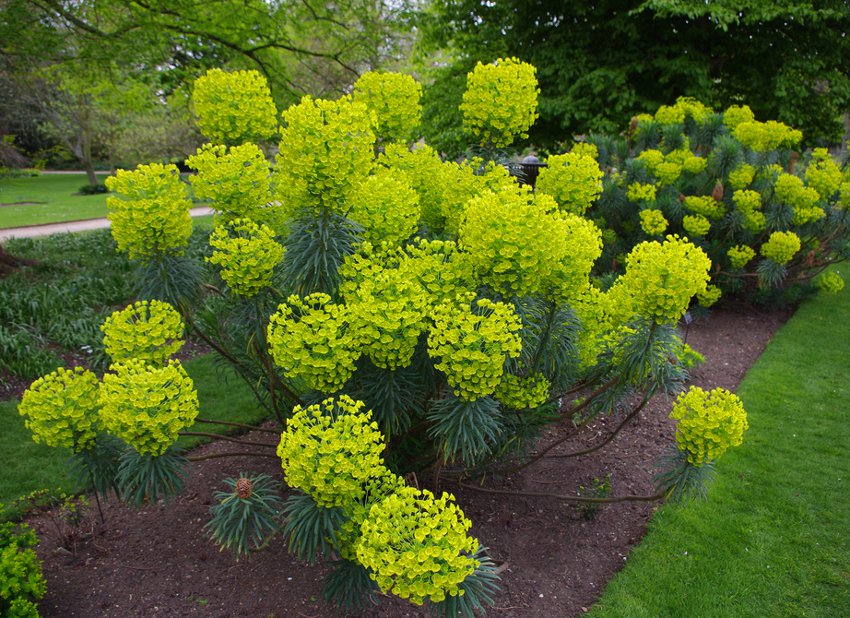 The whole plant grows 3-5’ feet tall and wide, making it a perfect focal
point for a spot with well-drained soil and full sun. The milky sap may
cause irritation to skin and eyes. Do not eat! USDA Zones 7 to 10.Seeds Euphorbia characias subsp. wulfenii is a dramatic
perennial plant that grows into a large robust plant.
In late winter to
early spring great club-like inflorescences emerge from the crown.
Bright chartreuse flower-like bracts glow in the garden of particularly
large flowers with an intense color.
The overall effect is eye-catching
and lasts well into June. At about the same time, new shoots emerge
holding narrow, grey-green leaves.
Friday
Rare Calico Monkey Flower Mimulus pictus

A truly rare gem. Calico Monkey Flower Mimulus pictus
This wildflower is endemic to California, found only above the southeastern San Joaquin Valley within Kern County and Tulare County.
It is known only from the western Tehachapi Mountains and southernmost Sierra Nevada foothills, at elevations of 443–4,101 ft. It grows in open California oak woodland habitat, in bare rocky soils around granite outcrops.
Nothing like any Mimulus you have ever seen. A very rare and unusual plant with creamy-white rounded petals delicately patterned with fine dark-red to purplish brown spider web-like lines. Foliage is velvet fuzzy textured. Loves a well drained but moist soil in light shade. Zone 8+. Low growing about 6" to 12" in well drained, moist soil, sun or part shade.
Seeds available here:
Dioscorea elephantipes Elephant Foot Caudiciform

Dioscorea elephantipes (syn. Testudinaria elephantipes), also commonly known as turtle back, elephant's foot, Hottentots' bread is one of the most beautiful, weird and wonderful, caudiciform plants around!
It has a deeply fissured surface, resembling an elephant's foot, hence its common name. It makes a most interesting container plant. The stems grow in a climbing fashion. The leaves are heart-shaped. Flowers are pale greenish yellow and normally appear in winter.
It is believed the Khoisan used to bake the starchy, bread-like trunk which was used as a food source. Other members in the genus Dioscorea are used to extract steriodal saponins which are used to produce cortisone and and contraceptives.
Easily grown in any well drained inorganic soil.
Seed Source: Dioscorea elephantipes
Rare Heirloom Giant White Choclo Corn from the Inca empire - Cuzco
 Choclo, is a variety of corn, also referred to as
Peruvian corn or Cuzco corn (named for the capital city of the Inca
empire - Cuzco), is a large kernel corn from the Andes. It is consumed
in parts of Central America and South America, especially in Peru,
Bolivia and Colombia. Kernels are 1/2" inch and cobs grow to 8" inches.
Choclo is used in the making of humitas in Bolivia, choclo arepas (Corn
Griddle Cakes) in Colombia and for pastel de choclo (Corn Pie).
In Peru, choclo is commonly served as an accompaniment to dishes such as
ceviche, and its toasted, salted form, similar to corn nuts, are
customarily given free to restaurant patrons upon being seated. Full
ears of choclo are also a popular street food in Peru and other Andean
countries, typically served with a slice of cheese as choclo con queso.
Finger foods like choclo con queso mirror the popularity of corn on the
cob as a convenient street snack in Latin America.
I wonder if it makes giant popcorn as well :)
Seed Source: Choclo Perivuan Giant White Corn
Grow Your Own Pistachio Nuts!


Monday
Puya alpestris Turquoise Metallic Flowers
Wow! The plant kingdom at its flamboyant best.
The
highly ornamental Sapphire Tower is a hardy bromeliad relative native to
regions of Argentina and Southern Chile along the slopes of the Andes
Mountain Range.
It grows in areas with relatively dry and well drained
soils with plenty of sunlight and does not require a lot of water.
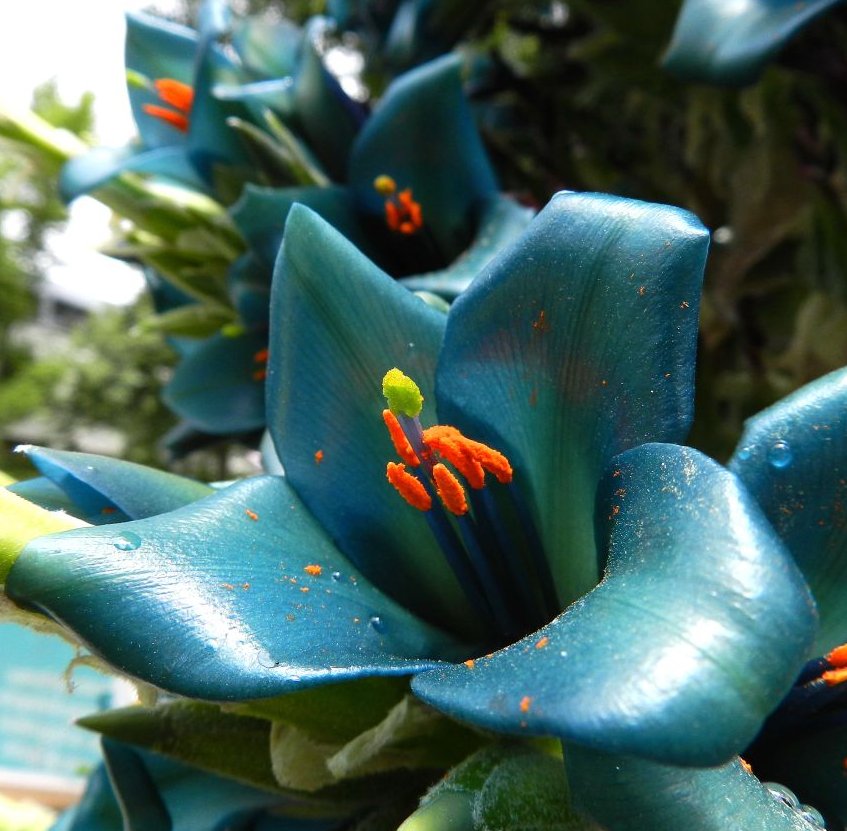
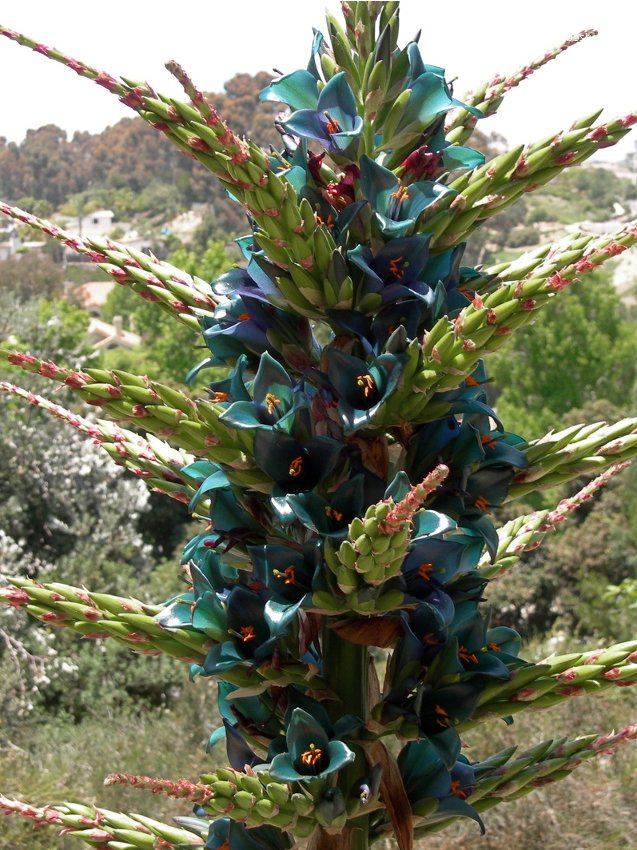
It produces 2-3 foot wide rosettes of marginal-spined leaves that are silver-gray and striped beneath.
When mature, the 4-5 foot tall, thick branching spikes produce long-blooming flowers that are neither sapphire blue nor sapphire green; they are an intense combination of the two colors. Bright orange stamens provide a lively contrast. A truly unique and incredible flower color. Blooms faster than the related Puya berteroniana.
In South America, the fleshy hearts of Puya flowers are frequently shredded, similar to cabbage in coleslaw and eaten in salads.
This plant makes a good specimen accent in a dry garden. It also works well in containers. Zones 8-11.
Seeds found here: Puya 30 Seeds for sale
Plants found here: Puya Plants for sale
Friday
Red and White Peppermint Candy!

Grows up to 8" tall. Prefers full to partial sun. Blooms from July until October, giving you months of enjoyment of this unique garden sorrel.. Hardy in zones 7-9.
Does not produce seeds!
Seeds on Êbay, offered mostly from China, turned out to be grass seeds. Not a shock, China is well known for their "rainbow rose" seeds, which does not exist either.
.
Thursday
Fruit Salad Plant Monstera
 Native to the rain forests of Central America,
Monstera is a popular foliage plant easily recognized by its large
glossy leaves that are dissected with deep splits and perforated with
oblong holes. Other common names are Ceriman, Swiss cheese plant (or
just cheese plant), splitleaf philodendron, monster fruit, monsterio
delicio, monstereo, Mexican breadfruit, locust and wild honey,
windowleaf, balazo, and Penglai banana.
It is said that the ripe fruit of Monstera taste like a combination of banana, pineapple, and mango, hence the name Fruit Salad Plant. To get to its pineapple-like flesh, the scaly exterior must be flaked off and delicately prepared.
 Hardy zone
10+, however, in zone 8 and 9 you can trim larger leaves back in fall
and cover the remainder of the plant, it comes back just fine every
spring.
Fresh seeds are seldom available but found here:
Monstera Deliciosa Seeds
Best sown indoors at 70-80°. Seeds will germinate in 30-60 days. Take care to procure seeds that have been freshly harvested and are shipped wet, being sure to sow seeds immediately upon arrival. It is not recommended to sow these seeds out-of-doors.
Beautiful and rare Guaiacum
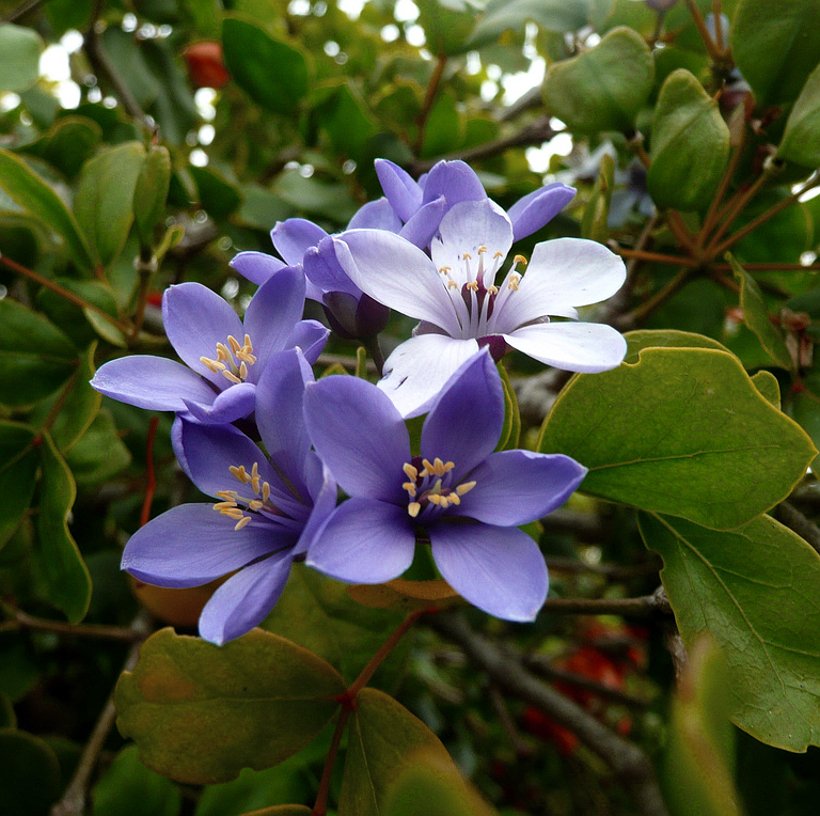
Guaiacum Officinale, is a small, highly ornamental tree /shrub introduced from the West Indies.
Growing to about fifteen feet in height, Guaicum Officinale produces five-pealed lavender to blue and white blooms and is the national flower of Jamaica. It is a glossy-leaved evergreen with twisted trunks.
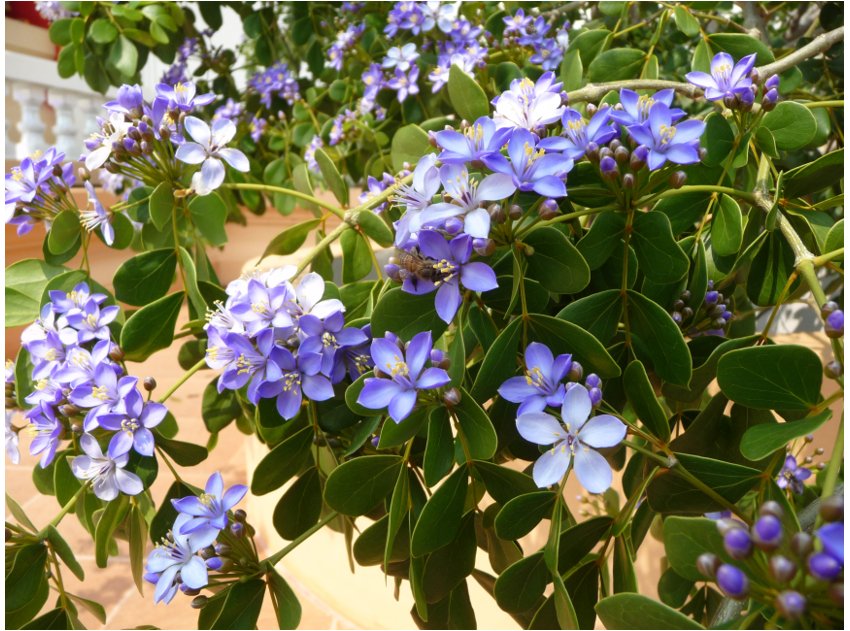
Lignum-vitae is also reported to be a medicinal plant and was listed as an endangered species by the IUCN in 1998. It has been over-exploited for its valuable wood and medicinal products. Originally, the plant extract, called guaicum, was used for treating rheumatism, tonsillitis, snake bites and gout. In modern times, guaicum has been used to synthesize guaifenisen, which is an expectorant found in many cough syrups. Frost tender, Zone 9-11.
Seeds Available
Tuesday
Ornamental Rose of Siam Ginger
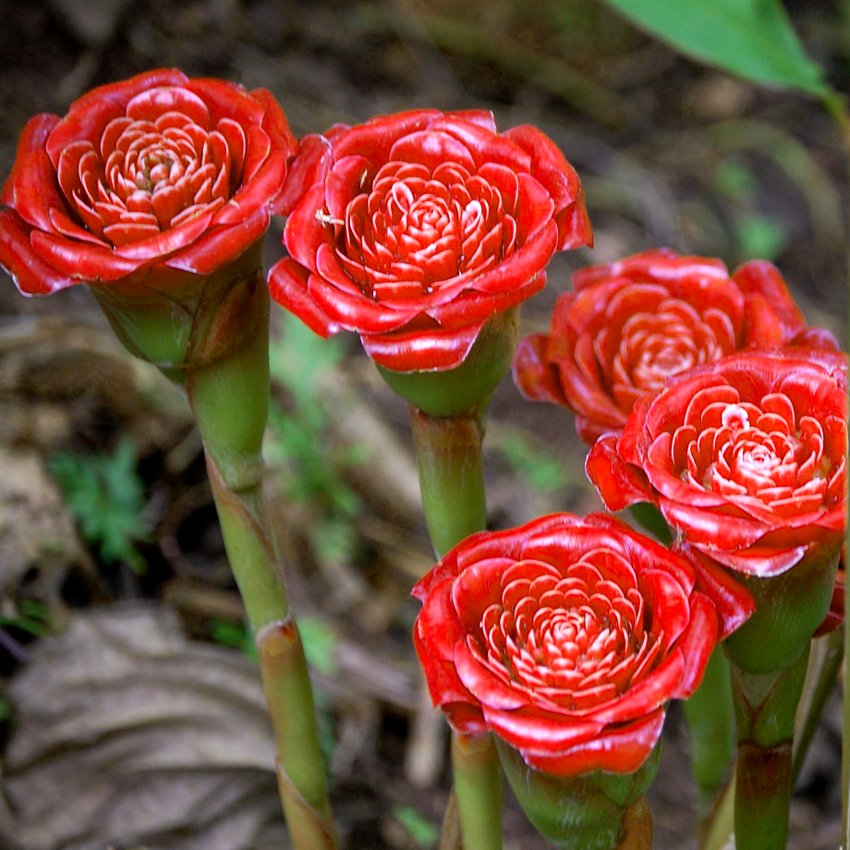
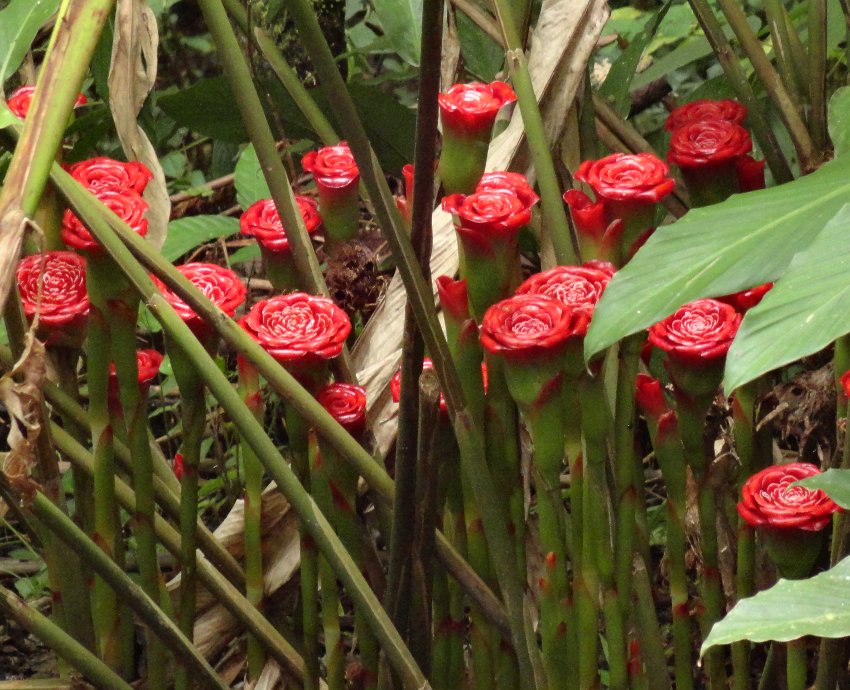 An absolutely stunning species known to generate
more blooms per square yard than any other Etlingera. The foliage is
only 6-9 foot high and prefers partial shade.
Plants of the ginger family called Zingiberaceae are a diverse group of perennial herbs with over 50 genera and 1500 species spread throughout tropical and subtropical regions.
All gingers are closely related to heliconias, flowering bananas, cannas, and marantas. Although gingers are found throughout the forests of Malaysia, they are relatively new to our landscaping industry. Due in part to their large showy flowers, they have gained rapid popularity as garden elements. Excellent and long lasting cut flower.
Fresh ginger seeds
Australian Apple Berry Billardiera

A wild and very unusual evergreen climbing shrub. Also known as climbing blueberry, Cherry Berry or Climbing Appleberry, Billardiera longiflora, it was described by French botanist Jacques Labillardière in 1805.
It is a small Australian vine found in cool, moist forests from southern New South Wales to Tasmania, where it is native. Deliciously scented, small bell shaped green yellow flowers are sometimes purple tinged and produced in summer. Electric purple blue, edible fruits follow in the autumn and winter.
Happy in borders and containers, can be grown on a trellis or over shrubs where the woody stems will twine and climb. Prefers well-drained soil in partly shaded sheltered site. Height 6Ft. Hardy perennial.
Seeds found here
.
Wednesday
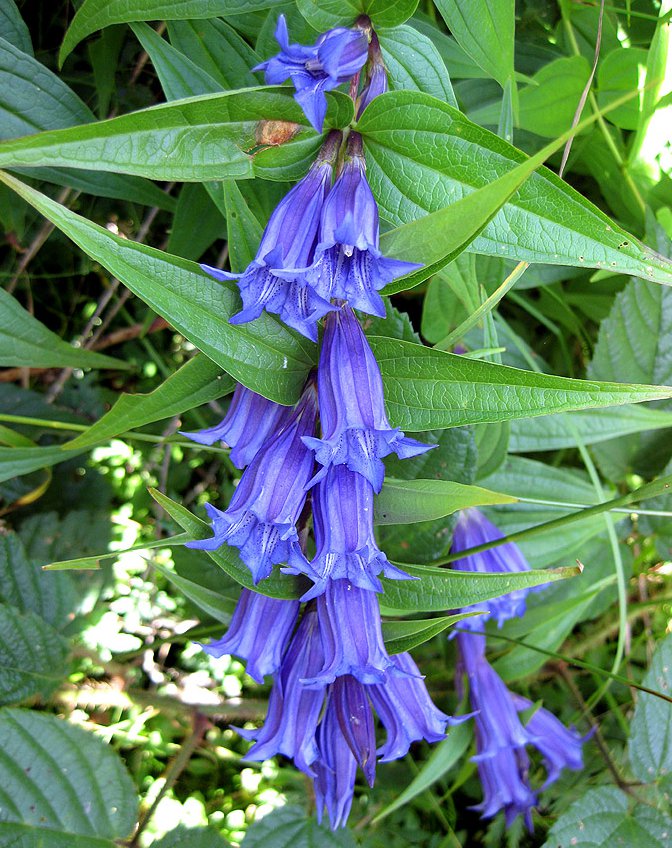
Rare Willow Gentian asclepiadea
Thursday
True Fragrant Corkscrew Shell Vine Cochliasanthus Vigna caracalla

Cochliasanthus caracalla is a leguminous vine from the family Fabaceae, originating in tropical South America and Central America. The species is named caracalla, a corruption of the Portuguese caracol, meaning snail.
The true Corkscrew Vine (or Shell Vine), Cochliasanthus Vigna caracalla, is difficult to find but worth the effort. This vigorous and well-mannered garden plant produces very cool spiral flowers with an incredible scent that's reminiscent of Chinese wisteria and noticeable from 15 feet away. The intricate, curly flowers are produced for several months during the summer. Originally from South America and grown by Thomas Jefferson at Montecello, these are memorable plants. If you've seen one in a private or public garden, locked on the amazing scent and fanciful flowers, and always wanted one of your own, now you can make that happen.
------------------------------------------------------------------
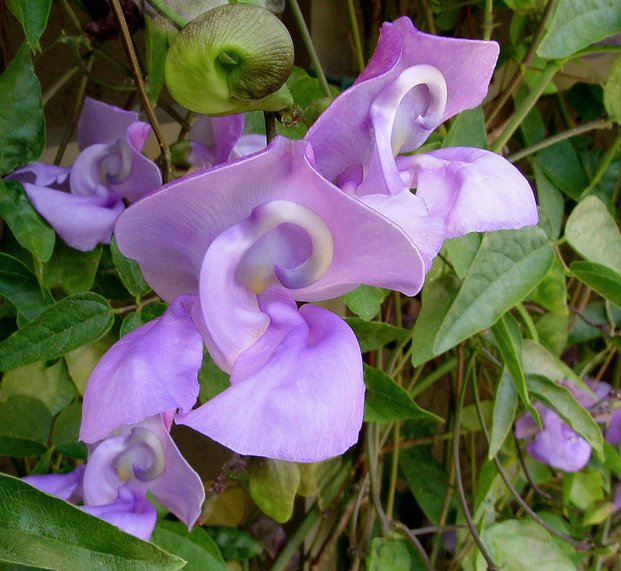
The Purple Snail Vine, Phaseolus giganteus, is a little more aggressive, sometimes invasive plant that tends to root where the branches touch the ground and can be difficult to eradicate.
The flowers of the Snail Vine lack the fragrance that represents a key reason gardeners choose to grow these plants. Snail vines are often erroneously sold and labeled as Vigna caracalla.
- True Snail/Corkscrew Vine Cochliasanthus Vignacaracalla - Seeds found here
- Purple Snail Vine Phaseolus Giganteus adenanthus - Seeds found here
.
Monday
Tower of Jewels Tajinaste Rojo Echium wildpretii
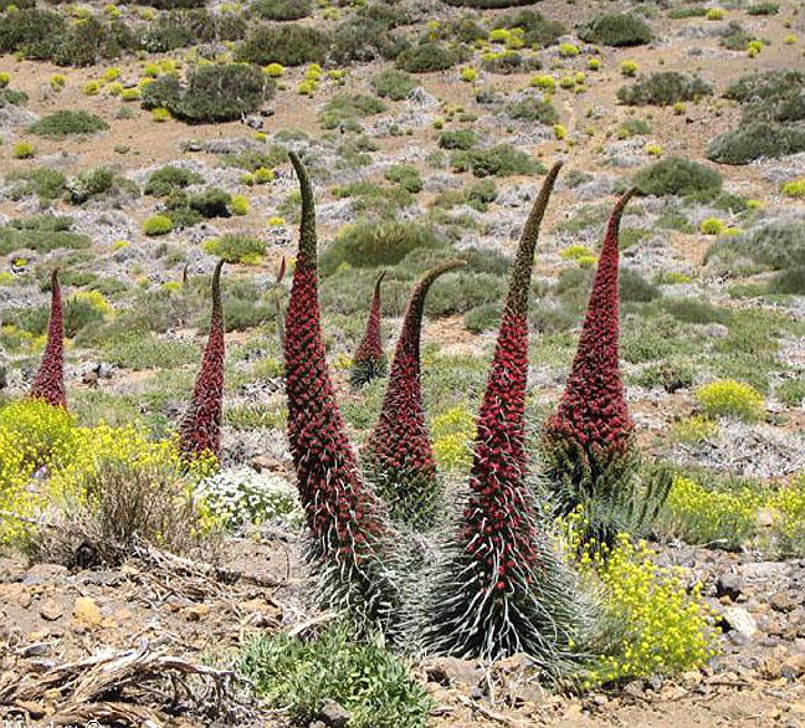 One flower that is sure to make jaws drop is the
Echium wildpretii of tower of jewels flower. The amazing biennial can
grow from 5 to 8 feet tall and is coated in the second year with brilliant pink flowers. If
sheer size doesn’t impress you, the silvery foliage and prominent
anthers, give the flowers and foliage a sparkle when sunlight hits them.
This variety of Echium is native to the Canary Islands off the coast of Morocco. In this region the weather is mild with sunny warm sea breezes in summer and cool, but not freezing, winters. Echium tower of jewels starts its first year of life as a grayish to silver rosette set low to the ground and in the second year, it produces a tall, thick flower spire with slightly ragged silver foliage below. The spire bursts with cerise to salmon pink-cupped flowers arranged in rows upon rows. Each of the nearly one

These catch the light and along with the foliage, making the plant appear to be dipped in pixie dust.
The Echium tower of jewels flower will give you years upon years of breathtaking beauty and architectural delight. Zones 8+.
Seeds found here
Rare Native Purple Milkweed Asclepias purpurascens
 The hard to find Purple Milkweed (Asclepias
purpurascens) is a herbaceous plant species. It is in the genus
Asclepias, making it a type of milkweed. It is native to the Eastern,
Southern and Midwestern United States *similar to the range of the
Common Milkweed (Asclepias syriaca). Asclepias purpurascens is rare and
sparsely distributed throughout its range, and is in imminent danger of
extirpation from New England. Its prognosis is extremely pessimistic
here unless substantial conservation action is taken.
The plant gets its name from the flowers that first develop a pink to magenta color but then turn darker purple as they mature.
Seeds available here:
Tuesday
Black Heirloom Juicing Corn from Peru - Morado Corn
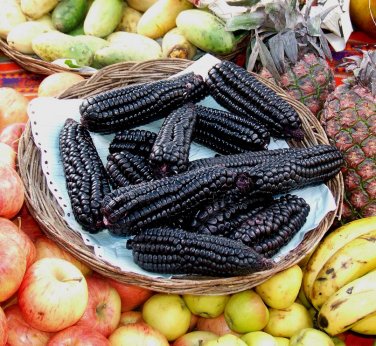
Also known as Kculli this ancient type of corn is particularly known in Peru and parts of South America and one of the oldest corn in the world, and a staple food of many societies since prehistoric times. Purple Corn bears well-sized ears with large kernels that ripen to a deep purple-black color.

People of the Andes make a refreshing drink sweetened with fruit, sugar or honey from the purple corn called "chicha morada" which is now recognized as a nutritive powerhouse due to its phenolic and anthocyanins content. The Anthocyanins are a type of complex flavonoid that produce the blue, purple or red colors of the corn. Phenolics are known to have many bioactive and functional properties. Purple Corn has higher C3G antioxidant capacity and antiradical kinetics than blueberries.
Also highly desirable for corn meal and corn pudding as well as a natural fabric and hair dye and cosmetics. Start indoors as this corn requires a long growing season 100-120 days.
US Source Available Seeds
Monkey Puzzle Tree Pehuén Araucaria araucana
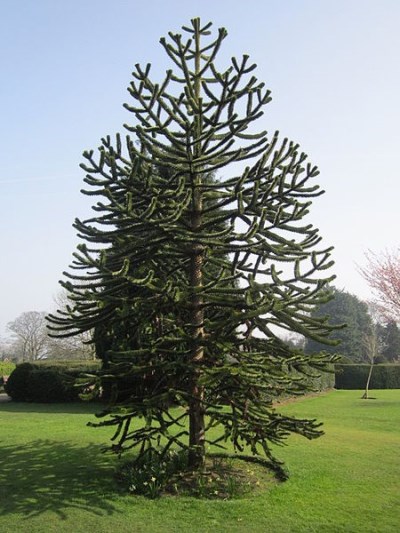
 Very unusual and exotic looking prehistoric
specimen Tree. The tree is native to central and southern Chile and
western Argentina.
Because of the great age of this species, it is sometimes described as a living fossil. Its conservation status was changed to Endangered by the IUCN in 2013 due to its declining abundance.
Distinctive, armor-like, scale-like, triangular leaves, persist for 10 to 15 years, sometimes longer on the trunk, ovate-lanceolate in shape, 1 to 2 inches long, shiny green Cones are erect, globular, dark brown, and 4 to 7 inches long by 3 to 6 inches wide, scales have long triangular recurved points; developing in 2-3 years and falling off at maturity; seeds are brown to orange, triangular in shape, 1 to 1 1/2 inches long, the edible nut is long and narrow with 2 small even wings that are denticulate at the top.
It is the national tree of Chile. Hardy to zones 7-11.
Seeds are available here: Araucaria araucana
Christmas Bells Sandersonia aurantiaca

These beautiful and long-lasting flowers were once common in their wild habitat of Swaziland, but are now threatened due to the expansion of agricultural activities.
Sandersonia is a half hardy, perennial. Grow in a sheltered, sunny site with well-drained soil. As its name suggest, the flowers have a very unusual urn-like shape, and form at the tips of slender, bow-shaped stems. Highly prized and long lasting cut flower.
Named after John Sanderson, 19th century Scottish journalist and amateur botanist who in 1851 discovered the plant in KwaZulu-Natal, South Africa.
Available Seeds....
*
Friday
Unique Chocolate Garden Flowers
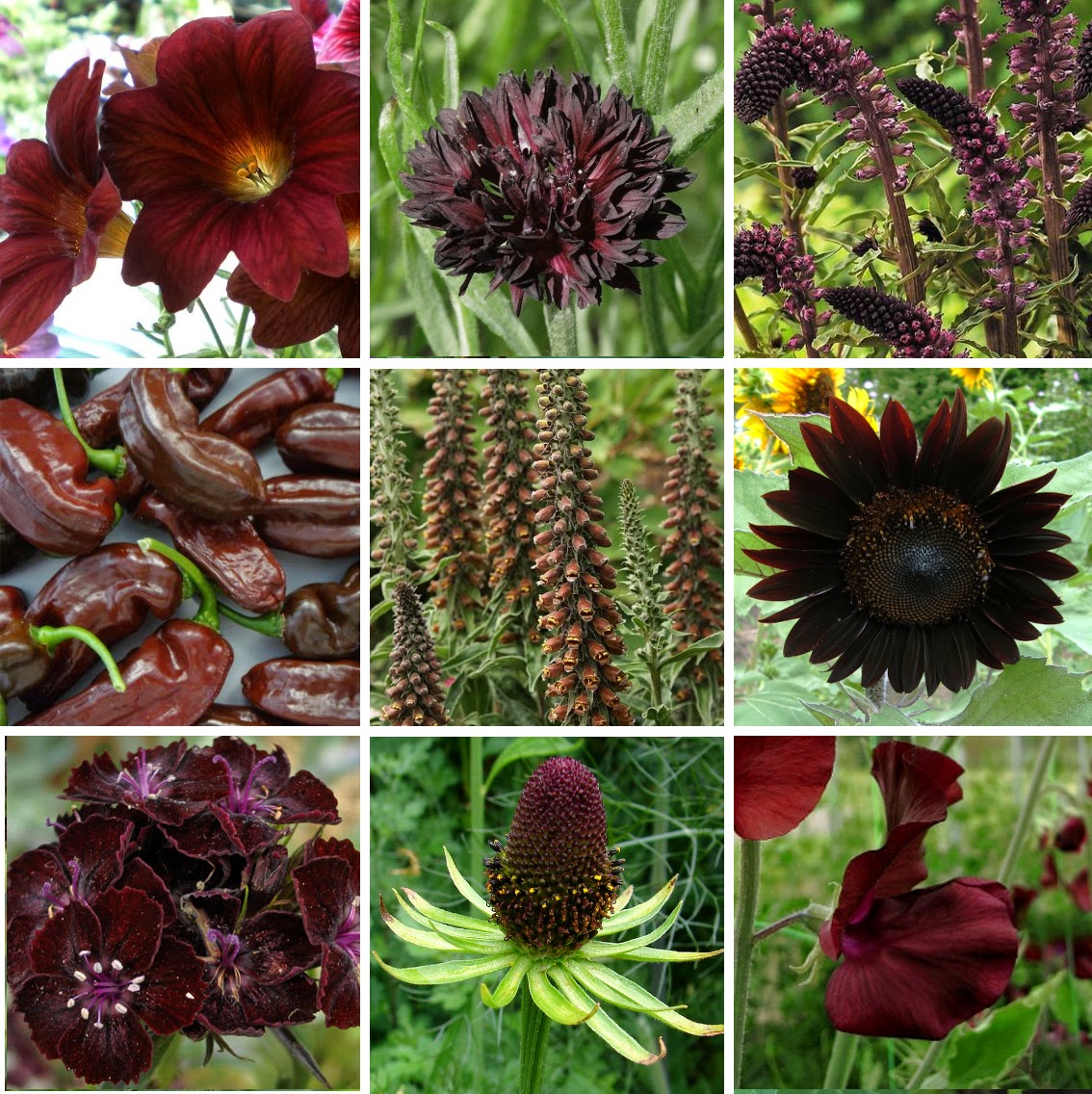 The sights and smells of chocolate plantings add elegance and drama to any display bed, and can be easily replicated in home gardens. From flowering annuals to feathery perennials and fudge-inspired vegetables, plant diversity is the key to a successful
chocolate garden: an assortment of texture, height, and color adds depth and variety.
With respect to color, most chocolate plants are not strictly brown, but instead include shades of red such as burgundy, maroon and mahogany, black, mauve, and metallic shades of bronze and copper. These dark plantings become most vibrant when contrasted with bright colors such as yellow, red, orange, and even silver and gold.
There are all sorts of chocolate colored flowers but they are very rare and difficult to find. Seeds usually are the way to go.
Some varieties used are:
- Korean Angelica
- Black False Hellebore Veratrum
- Chocolate Royale Salpiglossis
- Black Ball Centaurea
- Gooseneck Loosestrife
- Columbine Chocolate Soldier
- Foxglove Milk Chocolate
- Chocolate Sunflower
- Dianthus Sooty
- Rudbeckia Green Wizzard
- Midnight Beaujolais Lathyrus
Vegetables include Chocolate Habaneros, sweet Chocolate Bell Peppers and some Tomato varieties
such as Chocolate Cherry and Black from Tula.
Collections make an unusual visual Gift for the chocolate-loving gardener without a single calorie and will not melt in your hands.
Tuesday
Scientists Discover First ‘Virological Penicillin’ in Japanese Honeysuckle Lonicera japonica

Honeysuckle (Lonicera japonica) is a well-known Chinese herb. In Traditional Chinese Medicine, it has been used to effectively treat influenza infection for centuries.
Several previous studies have confirmed that the herb, usually consumed in the form of a tea, can suppress the replication of influenza virus.
However, the active anti-viral components and the mechanism by which they block viral replication have remained unclear.
Now, a team of researchers headed by Dr Chen-Yu Zhang of Nanjing University in China has identified MIR2911 (honeysuckle-encoded atypical microRNA2911) as the first active component directly targeting various influenza viruses, including the swine flu H1N1, highly pathogenic avian H5N1 and H7N9 infections.
MIR2911 represses influenza viruses by targeting PB2 and NS1, two genes that are known to be required for influenza viral replication.
With its broad-spectrum, anti-viral activity against influenza viruses, MIR2911 and MIR2911-containing honeysuckle tea may represent a new effective therapeutic strategy that can be used to subdue deadly infections.
“It is important to note that since Alexander Fleming discovered penicillin nearly a century ago, antibiotics have been developed to target various bacterial infections and have saved the lives of millions of people,” the scientists wrote in a paper published in the journal Cell Research.
“Unfortunately, no natural product that is effective against viral infection has been identified thus far.”
“We suggest that as the first natural product to directly target influenza A viruses, MIR2911 is the ‘virological penicillin’ that serves as a novel therapeutic and preventive agent against not only influenza A, but potentially also other types of viruses.”
Article Sources:
USA: http://www.sci-news.com/
USA: medicalxpress.com
UK: http://www.dailymail.co.uk
OZ: http://www.sciencealert.com.au/
Tea Source: Honeysuckle Tea
Seed Source: Seeds for Growing
...


