Thursday

Beautiful and rare Guaiacum

What a stunning show.

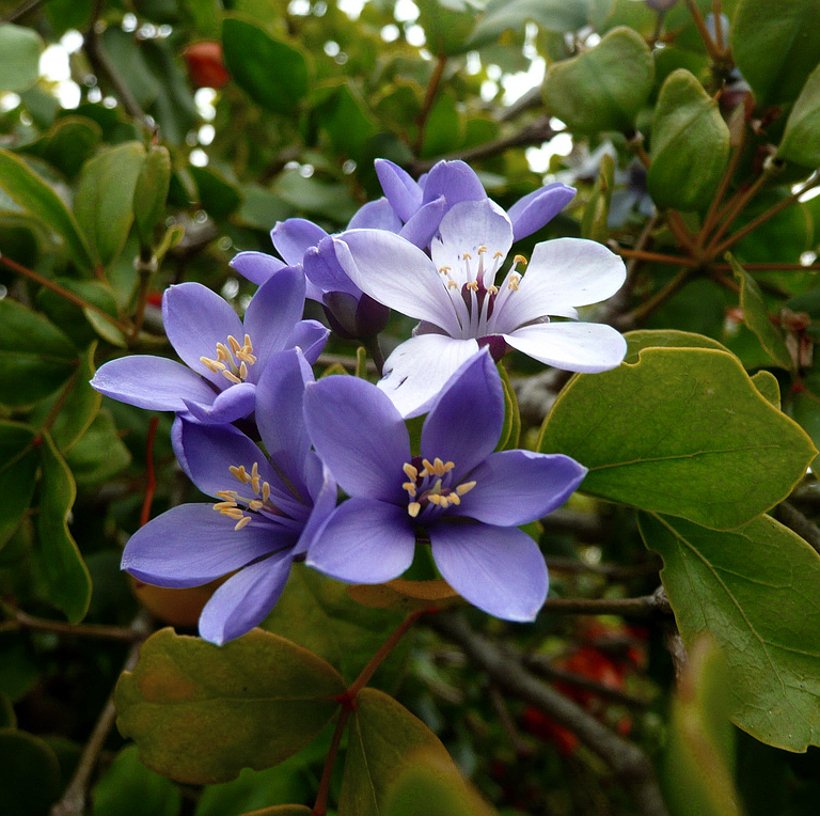
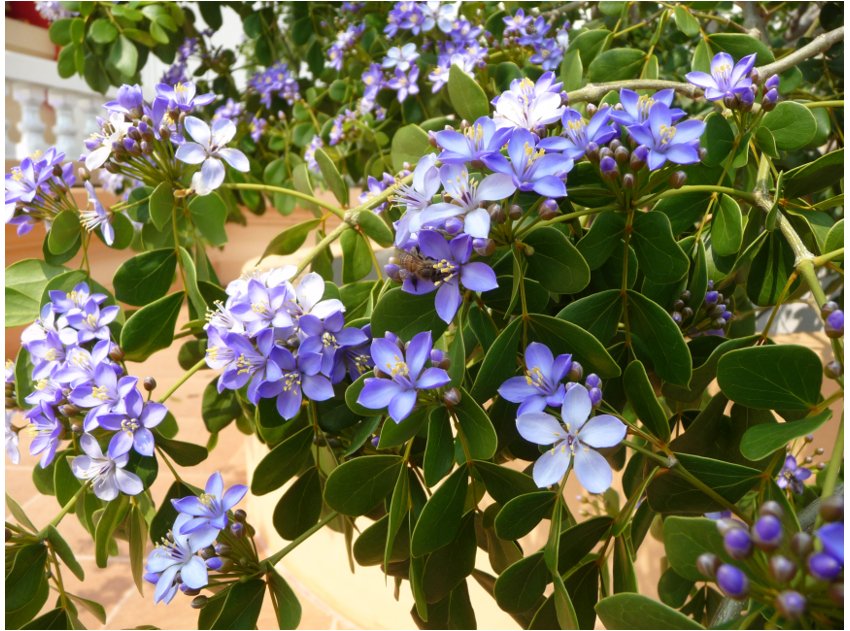
Guaiacum Officinale, is a small, highly ornamental tree /shrub introduced from the West Indies. 

Growing to about fifteen feet in height, Guaicum Officinale produces five-pealed lavender to blue and white blooms and is the national flower of Jamaica. It is a glossy-leaved evergreen with twisted trunks. 
Lignum-vitae is also reported to be a medicinal plant and was listed as an endangered species by the IUCN in 1998. It has been over-exploited for its valuable wood and medicinal products. Originally, the plant extract, called guaicum, was used for treating rheumatism, tonsillitis, snake bites and gout. In modern times, guaicum has been used to synthesize guaifenisen, which is an expectorant found in many cough syrups. Frost tender, Zone 9-11.


Seeds Available

Digg this

Tuesday

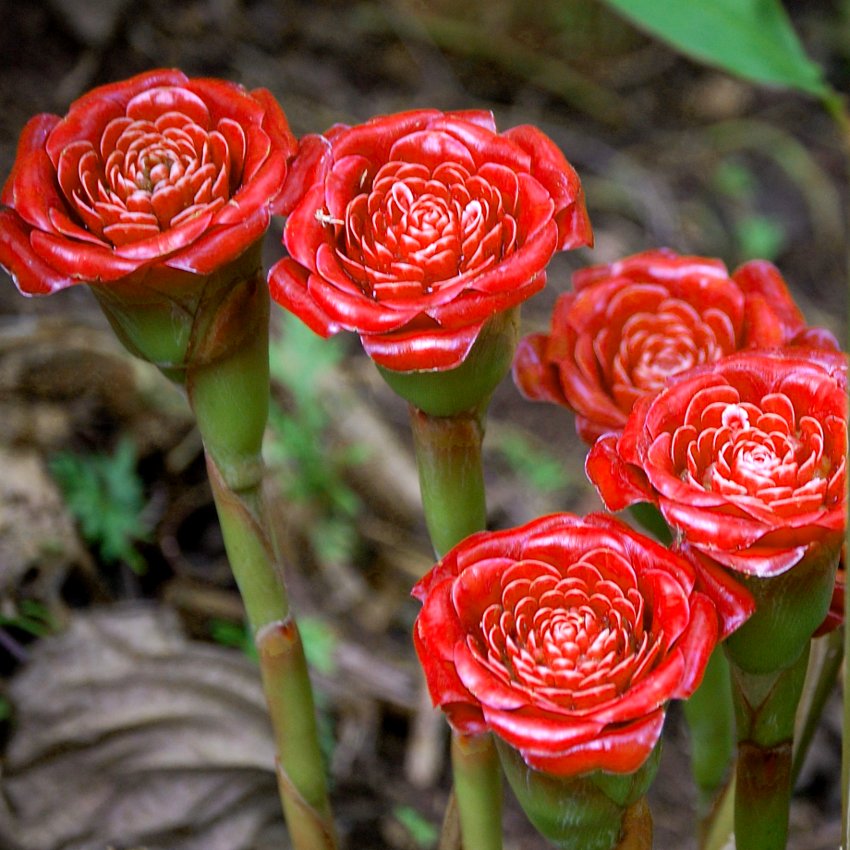
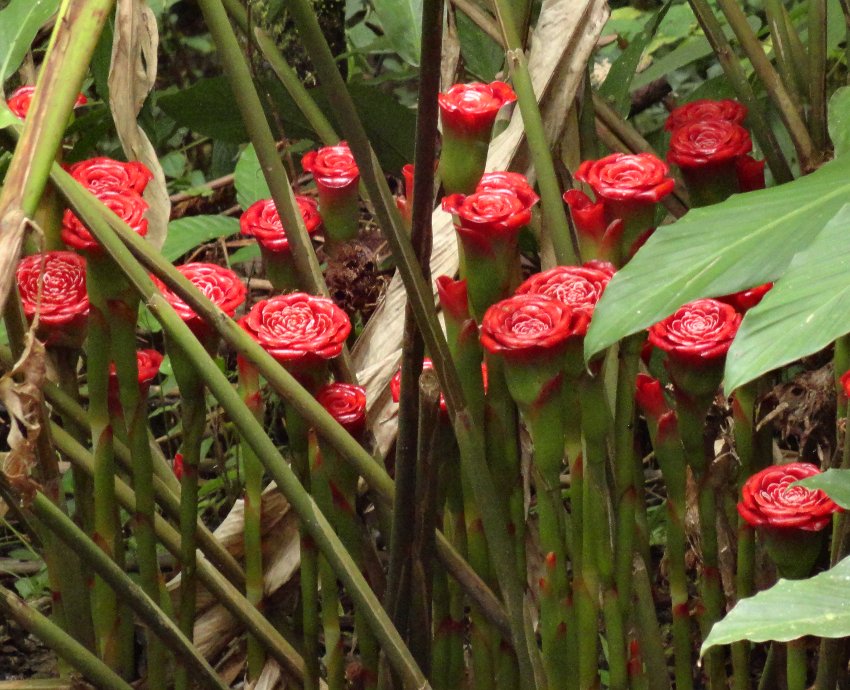
Ornamental Rose of Siam Ginger

Just beautiful! 

An absolutely stunning species known to generate more blooms per square yard than any other Etlingera. The foliage is only 6-9 foot high and prefers partial shade.
Plants of the ginger family called Zingiberaceae are a diverse group of perennial herbs with over 50 genera and 1500 species spread throughout tropical and subtropical regions.

All gingers are closely related to heliconias, flowering bananas, cannas, and marantas. Although gingers are found throughout the forests of Malaysia, they are relatively new to our landscaping industry. Due in part to their large showy flowers, they have gained rapid popularity as garden elements. Excellent and long lasting cut flower.


Fresh ginger seeds

Digg this

Australian Apple Berry Billardiera


A wild and very unusual evergreen climbing shrub. Also known as climbing blueberry, Cherry Berry or Climbing Appleberry, Billardiera longiflora, it was described by French botanist Jacques Labillardière in 1805. 


It is a small Australian vine found in cool, moist forests from southern New South Wales to Tasmania, where it is native. Deliciously scented, small bell shaped green yellow flowers are sometimes purple tinged and produced in summer. Electric purple blue, edible fruits follow in the autumn and winter.
Happy in borders and containers, can be grown on a trellis or over shrubs where the woody stems will twine and climb. Prefers well-drained soil in partly shaded sheltered site. Height 6Ft. Hardy perennial. 


Seeds found here

.

Digg this

Wednesday

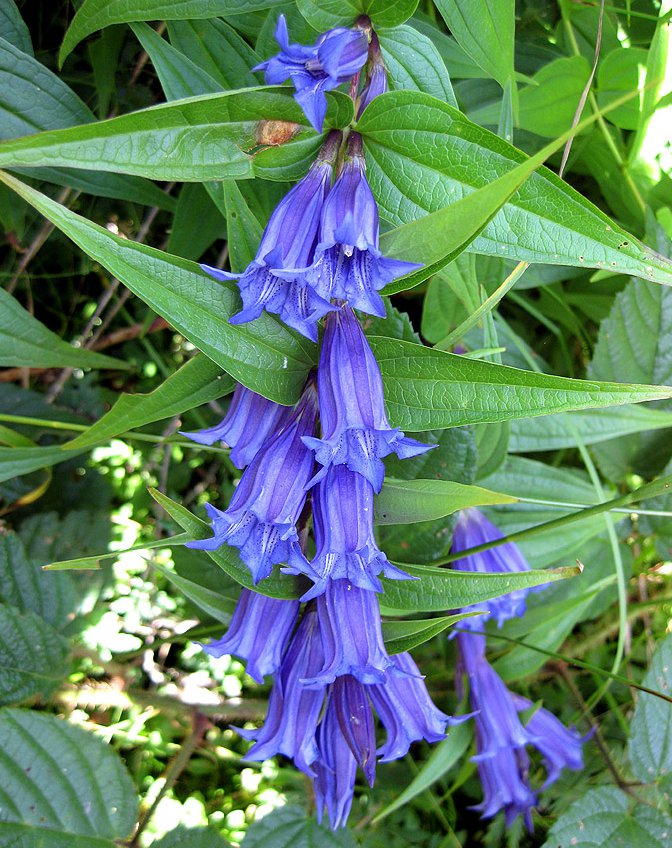
Rare Willow Gentian asclepiadea

Gentiana asclepiadea is a species of flowering plant of the genus 'Gentiana' in the family Gentianaceae, native to central and eastern Europe. Hundreds of upturned deep blue trumpets on arching stems with willow like leaves bloom through summer and into late autumn. The easiest, longest lived, latest flowering and most rewarding of the taller gentians. Requires partial or full shade and moist soil. Gentians are long-lived perennials that thrive with little care. Plants seldom need division and dislike root disturbance. Zone 5-7.

Digg this

Thursday

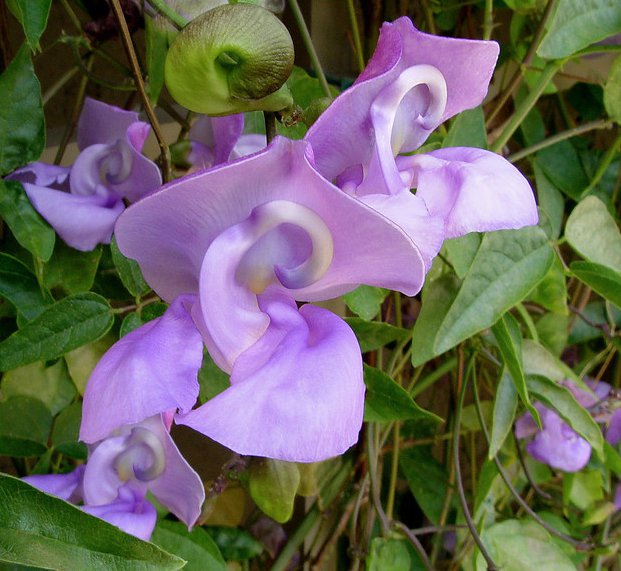
True Fragrant Corkscrew Shell Vine Cochliasanthus Vigna caracalla


Super cool Collector Vine the true Cochliasanthus Vigna caracalla! Definitely a to "drool" over Plant. Very hard to find.
Cochliasanthus caracalla is a leguminous vine from the family Fabaceae, originating in tropical South America and Central America. The species is named caracalla, a corruption of the Portuguese caracol, meaning snail.

The true Corkscrew Vine (or Shell Vine), Cochliasanthus Vigna caracalla, is difficult to find but worth the effort. This vigorous and well-mannered garden plant produces very cool spiral flowers with an incredible scent that's reminiscent of Chinese wisteria and noticeable from 15 feet away. The intricate, curly flowers are produced for several months during the summer. Originally from South America and grown by Thomas Jefferson at Montecello, these are memorable plants. If you've seen one in a private or public garden, locked on the amazing scent and fanciful flowers, and always wanted one of your own, now you can make that happen. 

  
There are two similar looking plants called Vigna caracalla.  Both produce pretty, spiral-form flowers in soft pastel shades. And the foliage of both is heart shaped, looking much like that of pole beans which makes sense because these are legumes and are therefore related to beans. In fact, both plants will produce slender, bean-like pods under good growing conditions.

------------------------------------------------------------------
The other awesome snail vine (this is not a Caracalla):

The Purple Snail Vine, Phaseolus giganteus, is a little more aggressive, sometimes invasive plant that tends to root where the branches touch the ground and can be difficult to eradicate.
The flowers of the Snail Vine lack the fragrance that represents a key reason gardeners choose to grow these plants. Snail vines are often erroneously sold and labeled as Vigna caracalla.


.

Digg this

Monday

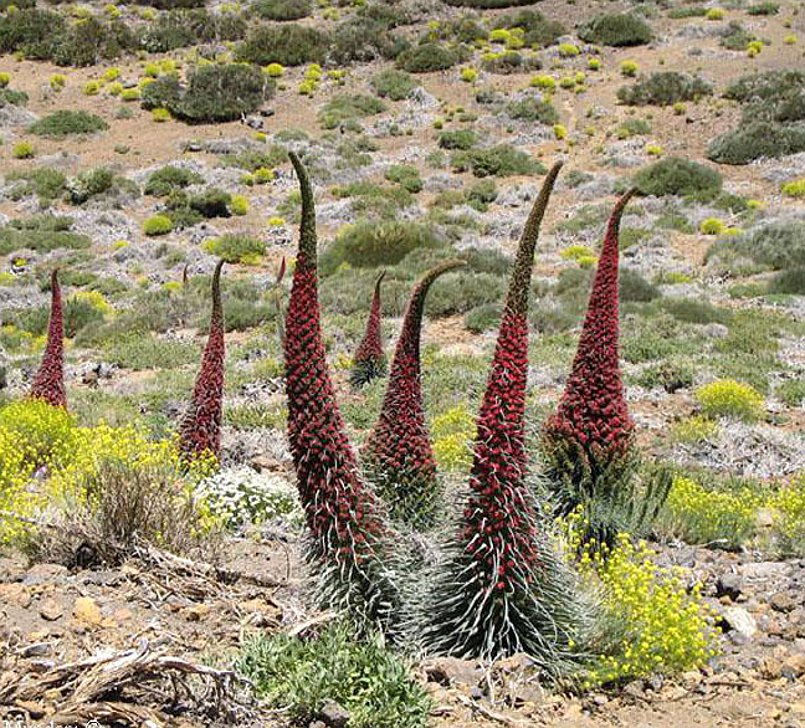
Tower of Jewels Tajinaste Rojo Echium wildpretii

One flower that is sure to make jaws drop is the Echium wildpretii of tower of jewels flower. The amazing biennial can grow from 5 to 8 feet tall and is coated in the second year with brilliant pink flowers. If sheer size doesn’t impress you, the silvery foliage and prominent anthers, give the flowers and foliage a sparkle when sunlight hits them.
This variety of Echium is native to the Canary Islands off the coast of Morocco. In this region the weather is mild with sunny warm sea breezes in summer and cool, but not freezing, winters. Echium tower of jewels starts its first year of life as a grayish to silver rosette set low to the ground and in the second year, it produces a tall, thick flower spire with slightly ragged silver foliage below. The spire bursts with cerise to salmon pink-cupped flowers arranged in rows upon rows. Each of the nearly one

hundred blooms has white anthers reaching out from the throat of the flower.
These catch the light and along with the foliage, making the plant appear to be dipped in pixie dust.
The Echium tower of jewels flower will give you years upon years of breathtaking beauty and architectural delight. Zones 8+. 


Seeds found here

Digg this

Rare Native Purple Milkweed Asclepias purpurascens

The hard to find Purple Milkweed (Asclepias purpurascens) is a herbaceous plant species. It is in the genus Asclepias, making it a type of milkweed. It is native to the Eastern, Southern and Midwestern United States *similar to the range of the Common Milkweed (Asclepias syriaca). Asclepias purpurascens is rare and sparsely distributed throughout its range, and is in imminent danger of extirpation from New England. Its prognosis is extremely pessimistic here unless substantial conservation action is taken.
The plant gets its name from the flowers that first develop a pink to magenta color but then turn darker purple as they mature. 


Seeds available here:


Digg this

Tuesday

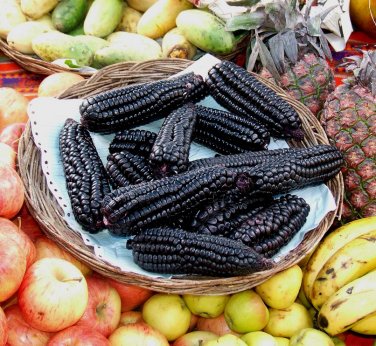
Black Heirloom Juicing Corn from Peru - Morado Corn

This is an absolutely beautiful dark dark purple corn. 

Also known as Kculli this ancient type of corn is particularly known in Peru and parts of South America and one of the oldest corn in the world, and a staple food of many societies since prehistoric times. Purple Corn bears well-sized ears with large kernels that ripen to a deep purple-black color. 
 
People of the Andes make a refreshing drink sweetened with fruit, sugar or honey from the purple corn called "chicha morada" which is now recognized as a nutritive powerhouse due to its phenolic and anthocyanins content. The Anthocyanins are a type of complex flavonoid that produce the blue, purple or red colors of the corn. Phenolics are known to have many bioactive and functional properties. Purple Corn has higher C3G antioxidant capacity and antiradical kinetics than blueberries.
 

Also highly desirable for corn meal and corn pudding as well as a natural fabric and hair dye and cosmetics.  Start indoors as this corn requires a long growing season 100-120 days.  

US Source Available Seeds

Digg this

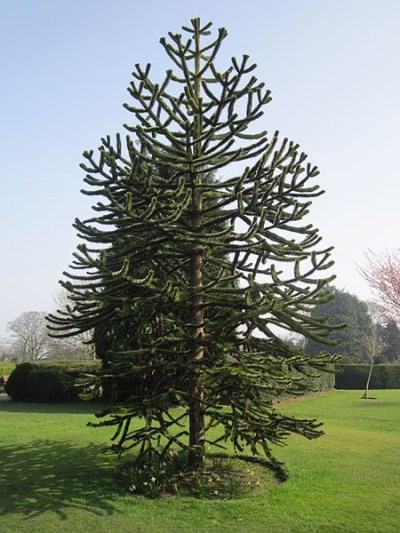
Monkey Puzzle Tree Pehuén Araucaria araucana


Very unusual and exotic looking prehistoric specimen Tree. The tree is native to central and southern Chile and western Argentina. 

Because of the great age of this species, it is sometimes described as a living fossil. Its conservation status was changed to Endangered by the IUCN in 2013 due to its declining abundance. 

Distinctive, armor-like, scale-like, triangular leaves, persist for 10 to 15 years, sometimes longer on the trunk, ovate-lanceolate in shape, 1 to 2 inches long, shiny green Cones are erect, globular, dark brown, and 4 to 7 inches long by 3 to 6 inches wide, scales have long triangular recurved points; developing in 2-3 years and falling off at maturity; seeds are brown to orange, triangular in shape, 1 to 1 1/2 inches long, the edible nut is long and narrow with 2 small even wings that are denticulate at the top. 


It is the national tree of Chile. Hardy to zones 7-11.

Seeds are available here: Araucaria araucana


Digg this

Christmas Bells Sandersonia aurantiaca

Sandersonia aurantiaca, known as christmas bells, is a climbing bulbous plant from South Africa with attractive orange-yellow, bell-shaped flowers. 

These beautiful and long-lasting flowers were once common in their wild habitat of Swaziland, but are now threatened due to the expansion of agricultural activities.
Sandersonia is a half hardy, perennial. Grow in a sheltered, sunny site with well-drained soil. As its name suggest, the flowers have a very unusual urn-like shape, and form at the tips of slender, bow-shaped stems. Highly prized and long lasting cut flower.


Named after John Sanderson, 19th century Scottish journalist and amateur botanist who in 1851 discovered the plant in KwaZulu-Natal, South Africa.

Available Seeds.... 


*

Digg this

Friday

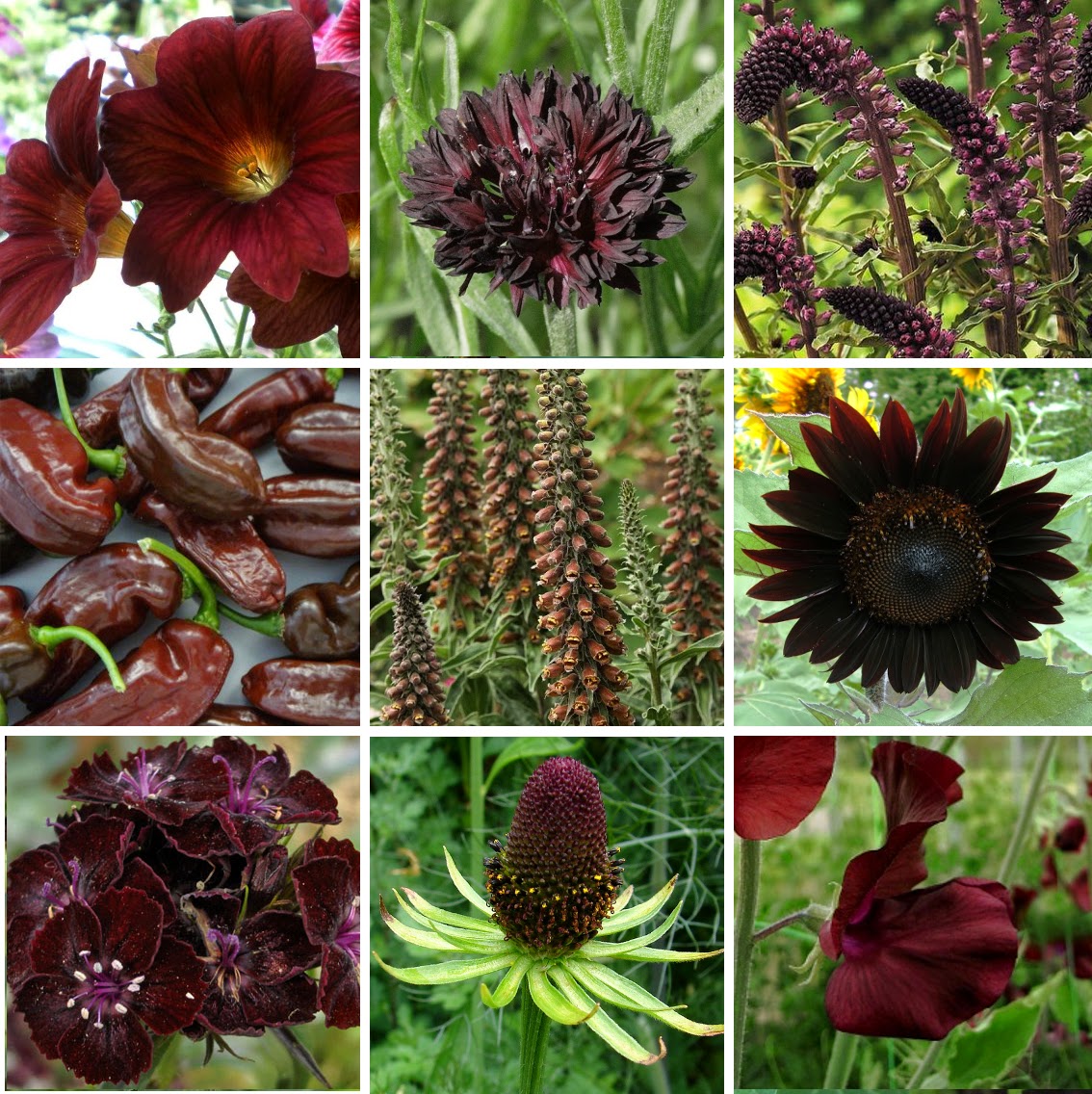
Unique Chocolate Garden Flowers

Chocolate Garden Seed CollectionThe sights and smells of chocolate plantings add elegance and drama to any display bed, and can be easily replicated in home gardens. From flowering annuals to feathery perennials and fudge-inspired vegetables, plant diversity is the key to a successful
chocolate garden: an assortment of texture, height, and color adds depth and variety.
With respect to color, most chocolate plants are not strictly brown, but instead include shades of red such as burgundy, maroon and mahogany, black, mauve, and metallic shades of bronze and copper. These dark plantings become most vibrant when contrasted with bright colors such as yellow, red, orange, and even silver and gold.

There are all sorts of chocolate colored flowers but they are very rare and difficult to find. Seeds usually are the way to go.


Collections found here as well as individual varieties

Some varieties used are:

- Korean Angelica
- Black False Hellebore Veratrum
- Chocolate Royale Salpiglossis
- Black Ball Centaurea
- Gooseneck Loosestrife
- Columbine Chocolate Soldier
- Foxglove Milk Chocolate
- Chocolate Sunflower
- Dianthus Sooty
- Rudbeckia Green Wizzard
- Midnight Beaujolais Lathyrus
 

Vegetables include Chocolate Habaneros, sweet Chocolate Bell Peppers and some Tomato varieties
such as Chocolate Cherry and Black from Tula.

Collections make an unusual visual Gift for the chocolate-loving gardener without a single calorie and will not melt in your hands.

Digg this

Tuesday

Scientists Discover First ‘Virological Penicillin’ in Japanese Honeysuckle Lonicera japonica

Chinese researchers have discovered what they say is the first ‘virological penicillin’ – MIR2911, a molecule found naturally in a Chinese herb called honeysuckle.
Honeysuckle (Lonicera japonica) is a well-known Chinese herb. In Traditional Chinese Medicine, it has been used to effectively treat influenza infection for centuries.
Several previous studies have confirmed that the herb, usually consumed in the form of a tea, can suppress the replication of influenza virus.
However, the active anti-viral components and the mechanism by which they block viral replication have remained unclear.
Now, a team of researchers headed by Dr Chen-Yu Zhang of Nanjing University in China has identified MIR2911 (honeysuckle-encoded atypical microRNA2911) as the first active component directly targeting various influenza viruses, including the swine flu H1N1, highly pathogenic avian H5N1 and H7N9 infections.
MIR2911 represses influenza viruses by targeting PB2 and NS1, two genes that are known to be required for influenza viral replication.

With its broad-spectrum, anti-viral activity against influenza viruses, MIR2911 and MIR2911-containing honeysuckle tea may represent a new effective therapeutic strategy that can be used to subdue deadly infections.
“It is important to note that since Alexander Fleming discovered penicillin nearly a century ago, antibiotics have been developed to target various bacterial infections and have saved the lives of millions of people,” the scientists wrote in a paper published in the journal Cell Research.
“Unfortunately, no natural product that is effective against viral infection has been identified thus far.”
“We suggest that as the first natural product to directly target influenza A viruses, MIR2911 is the ‘virological penicillin’ that serves as a novel therapeutic and preventive agent against not only influenza A, but potentially also other types of viruses.”

Article Sources:

USA: http://www.sci-news.com/   
USA: medicalxpress.com
UK: http://www.dailymail.co.uk
OZ: http://www.sciencealert.com.au/ 


Tea Source: Honeysuckle Tea
Seed Source: Seeds for Growing

 ...

Digg this

Thursday

Black Vegetables and Black Flowers

Well..not completely black, but at least near black. Black Flowers have always had a mystery to them but black vegetable gardens are pretty much something we haven't heard of. They are even heirloom vegetables! 

The darker the fruit or vegetable, the more antioxidants (anthocyanin) it has, plus the near black shades of dark purple to dark maroon make for a stunning display and great conversation. 


Almost Black Vegetables


Almost Black Vegetables


Almost Black Flowers

Almost Black Flowers


as well as individual Varieties
 
*

Digg this

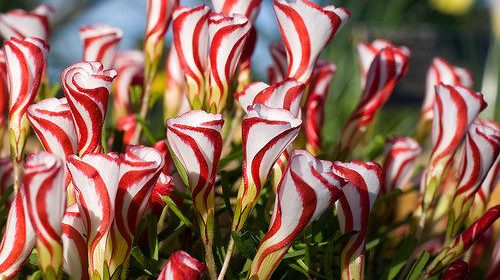
Red and White Candy Cane Sorrel Oxalis


Oh how lovely!

This intriguing half hardy alpine produces crimson striped, funnel shaped buds like tiny striped barbers poles! The striking petals open to reveal pretty white flowers with crimson margins. A fascinating talking point for a frost free greenhouse. In exceptionally mild areas it can be grown outside at the front of borders or in sheltered rockeries.
Grows up to 12" tall. Prefers full to partial sun. Blooms from July until October, giving you months of enjoyment of this unique garden sorrel. 

Growing candy cane sorrel is simple. Candy cane oxalis flowers are native to capes of South Africa. This attractive member of the Oxalis family is sometimes forced in greenhouses for ornamental, holiday blooms. 
When growing candy cane sorrel outside in the garden, the plant will exhibit blooms through most of the spring and sometimes into summer, depending on the location where it grows. As with most members of the ornamental Oxalis family, the candy cane oxalis plant goes dormant in summer and begins a period of regrowth in fall. Info about candy cane oxalis plant says it is hardy in USDA Zones 7-9, though it can grow as an annual in lower zones. 
Candy cane sorrel bulbs (rhizomes) can be planted at any time the ground, provided it is not frozen. Once candy cane sorrel bulbs are established, occasional watering and fertilization is all that is required when caring for candy cane oxalis. You may remove dying foliage when the plant dies back for the sake of appearance, but it will wither on its own. Don’t despair that the candy cane oxalis plant is dying; it is just regenerating and will once again reappear in the garden.
This plant is grown from Bulbs! If you see seeds (likely from china) - don't buy them..seeds do NOT exist!!

Digg this

Monday

Dark Flowers Desert Indigo Bush

Dark flowers for Bees! Lovely! 

Desert Indigo Bush, Amorpha fruticosa, is a spectacular loose shrub with fine textured, fragrant foliage, growing 8-10 Ft tall. Brilliant purple to black spikes of flowers bloom from April to June.
Amorpha fruticosa makes a great native substitute for Butterfly Bush and is great in spots that are too wet for other spring bloomers.
Grows in moist or average soils in full sun or part shade. Prefers some shade in hot climates and does not like extended periods of drought. Highly attractive to honey bees. Zone 5-9.

Although Desert  Indigo seeds have no real dormancy to break down the seeds have a very hard, water-impermeable seed coat and require pretreatment for successful germination to occur. Without pretreatment it is likely that 10% or less of the seeds will germinate. A combination of a variety of seed pretreatments may be necessary to make the seed coat permeable so that the seed embryo can take up water and begin to germinate.
The first method is place the seeds in a heat proof container and pour hot (not boiling!) water 160-180F over them and leave them to soak for between 12-24 hours allowing the water to cool to room temperature.

Seeds that have been successfully pretreated will have swollen to around 2 to 3 times their previous size. Remove all swollen seeds as these will be damaged by further pretreatments. These can be sown immediately. This hot water treatment can be repeated up to 3 times, making the water a little hotter each time. Seeds that remain small need to be dried for further treatment.

The remaining method is to physically breakthrough the seed coat by cutting or (k)nicking the edge of the seed with a knife or using a file or even rubbing them between layers of fine sandpaper. All of these methods can be used to break through the seed coat. Once you have done this soak the seeds in cold water for 12-24 hours and successfully treated seeds will have imbibed water and swollen greatly.

Any that have not could be scarified again followed by another water soak. Sow all the seeds, even those that remain small as they may germinate later

Once the seeds have become swollen with water germination is quite rapid and if the seeds are kept at room temperature and germination should take place in 7 to 10 days.

Digg this

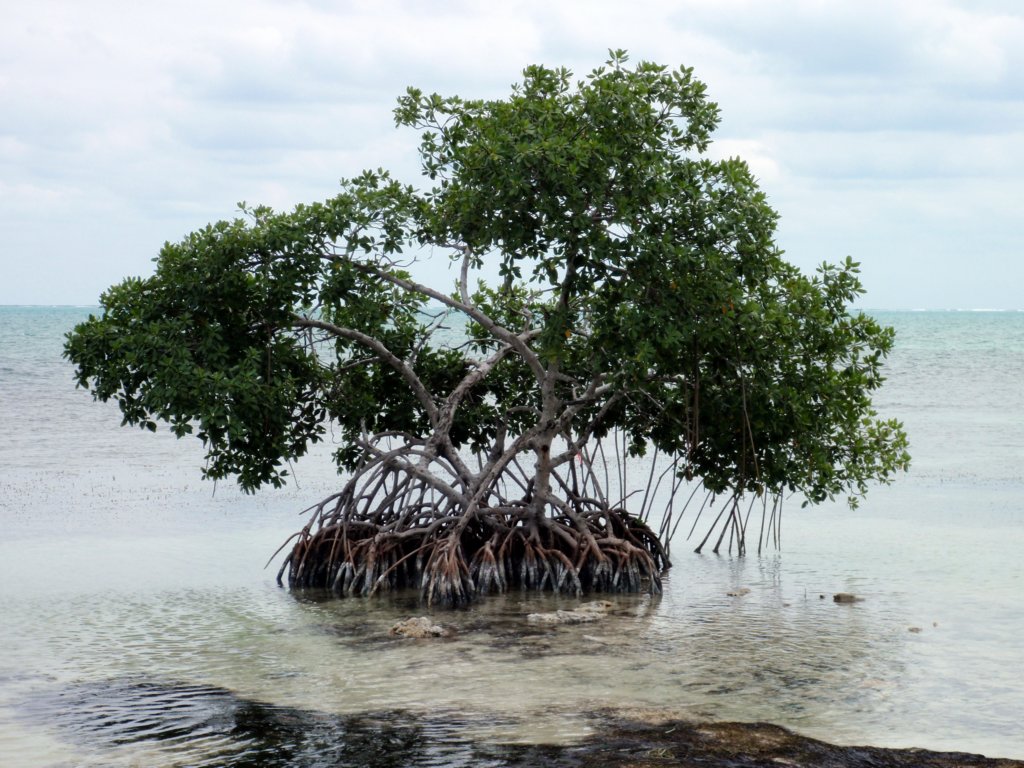
Red Mangrove Rhizophora mangle


What a beauty! 
Rhizophora mangle perfectly can be grown in any kind of aquarium whether seawater aquarium, brackish water aquarium or freshwater aquarium or a pond.
Mangroves absorb nutrients from the water in order to grow, and help lower nitrates and phosphates. The Red Mangrove can be planted in the sand, or in between rocks in an open topped aquarium, illuminated sump or refugium. The roots will quickly grow to take hold in sand substrate or in live rock.

Digg this

Friday

Dwarf Evergreen Plumeria Frangipani pudica "Bridal Bouquet"


Absolutely beautiful and rare Flower, native of Panama, Colombia and Venezuela, blooms in bouquets of white flowers usually in Texas, Florida and the Bahamas. Easy to grow, and blooms heavily for a long time. 
 

The Plumeria Pudica usually has one or two slender trunks that branch close to the ground forming a dense slightly spreading crown. The signature leaves have a short petiole and are fiddle-shaped due to a pair of lobes above the middle. The flowers are strikingly pure white, with a yellow throat.

Advantages of this beautiful plant are its heavy foliage cover, extensive evergreen phase and long blooming period. It is easier to grow indoors than other Plumeria and doesn't have any significant pest or disease problems (resistant to spider mites)


Well suited for full sun.  Deciduous under extended drought conditions or during a particularly cold winter. Properly placed, mature trees usually need no pruning. Zone 9+ or container. This plant does not set seeds. Cuttings are easy to root, much like cactus.


Plants available here:
Digg this

Monday

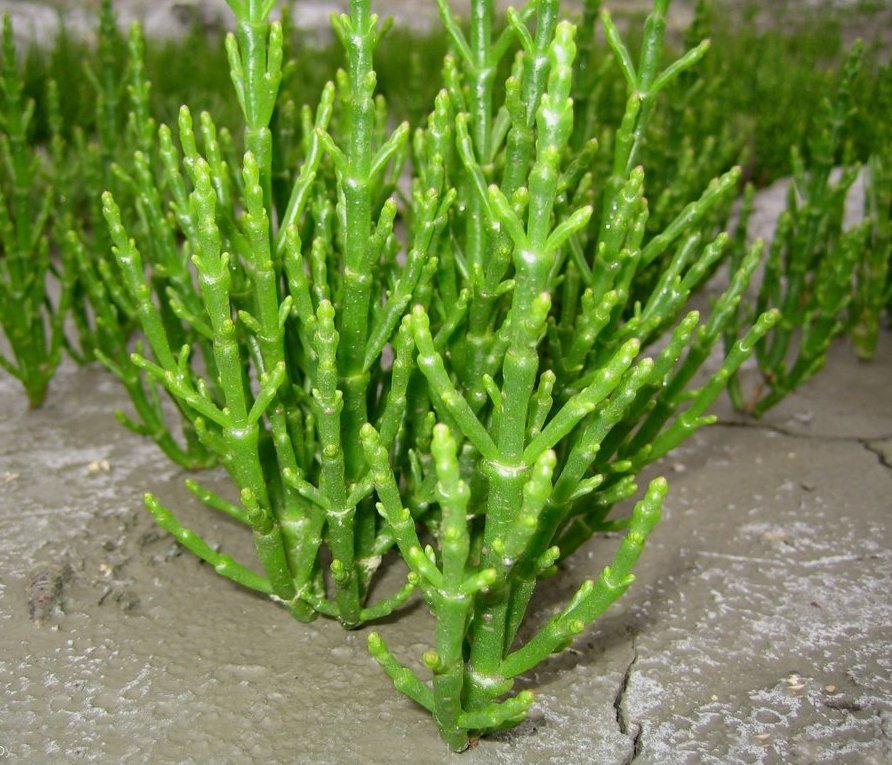
Wild Wild Vegetables: Sea Asparagus Salicornia europaea

Utterly delicious and very hard to find, this generally unknown culinary plant of salty mudflats and the shoreline produces succulent tender shoots with a flavor reminiscent of asparagus, but a taste all of its own. It is nothing short of an absolute treat, especially served with seafood.

Also known as Mermaids Kiss, Glasswort, the wild marsh Samphire can be found in abundance in salt marshes and tidal mud flats on the British coast. Seeds came from salt marsh on the north Norfolk coast, England.


It can be eaten raw, or cooked - boiled or steamed for a couple of minutes, topped with melting butter and a squeeze of fresh lemon juice.
Absolutely no salt is needed as they taste of the sea so are more than sufficiently salty. They are rich in Vitamins A, C and D, this plant is highly sought after in British upscale gourmet restaurants. 


Annual, in warmer climate perennial. Very high moisture needs; suitable for marsh bogs.

Info on the plant - http://en.wikipedia.org/wiki/Salicornia 
Seeds (US):  Marsh Samphire Salicornia europae
Plants (UK): Samphire Plant

Digg this

Thursday

Mini Garden Gnome Jewelry

Too cute not to post...  Gnome Earrings from Lonestarbeadery

Cute cute cute. Miniature Garden Gnomes with a shovel and Swarovski glass crystals on secure steel lever back ear hooks. 1.5" inches (40mm) long, 3D all the way around, available also in red and blue. $16 - Gift wrapped.


Digg this

Monday

Broken Bones Tree Midnight Horror

Oroxylum indicum is a rare tree commonly called Tree of Damocles found in tropical countries, such as India, Japan, China, Sri Lanka, Malaysia. It is a small or medium sized deciduous tree up to 40 Ft in it’s natural habitat. If grown in pots, it can be expected to be much smaller.

The leaves are very large, 5 ft long.
The large leaf stalks wither and fall off the tree and collect near the base of the trunk, appearing to look like a pile of broken limb bones. The flowers are reddish purple outside and pale, pinkish-yellow within, numerous, in large erect racemes. The flowers bloom at night and emit a strong, stinky odor which attracts bats.


The name Midnight Horror is due to its lengthy seed pods which range from 1.3 - 4ft. Hanging off the tree in clusters, when dry they rattle in the wind like a clattering skeleton...
It has been used traditionally for a wide diversity of ailments such as cancer, diarrhea, fever, ulcer, jaundice and arthritis.

Digg this

Thursday

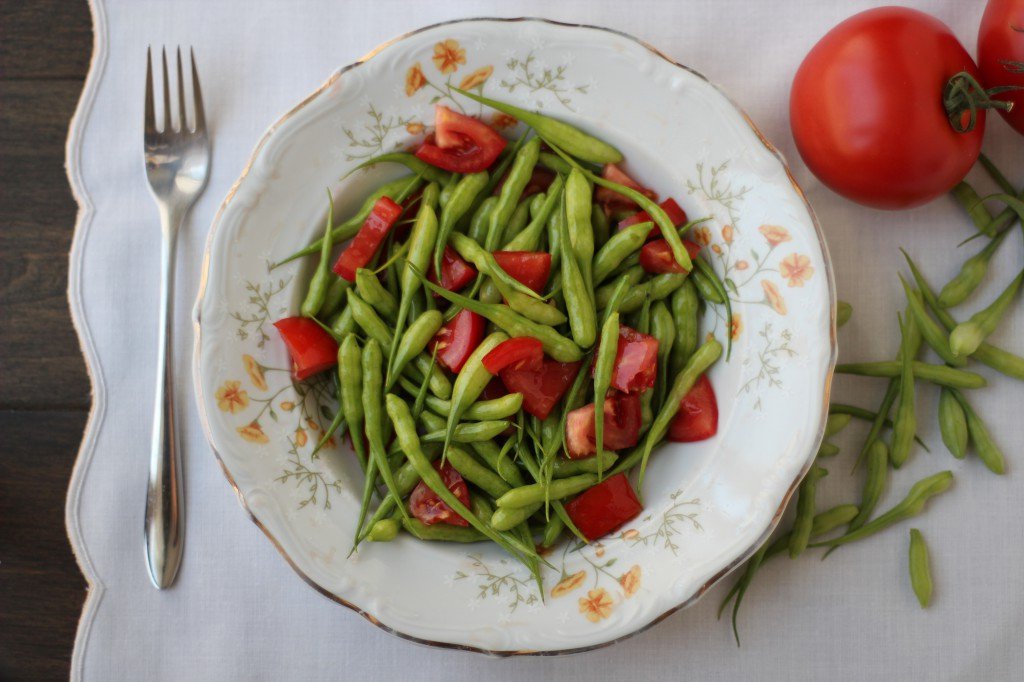
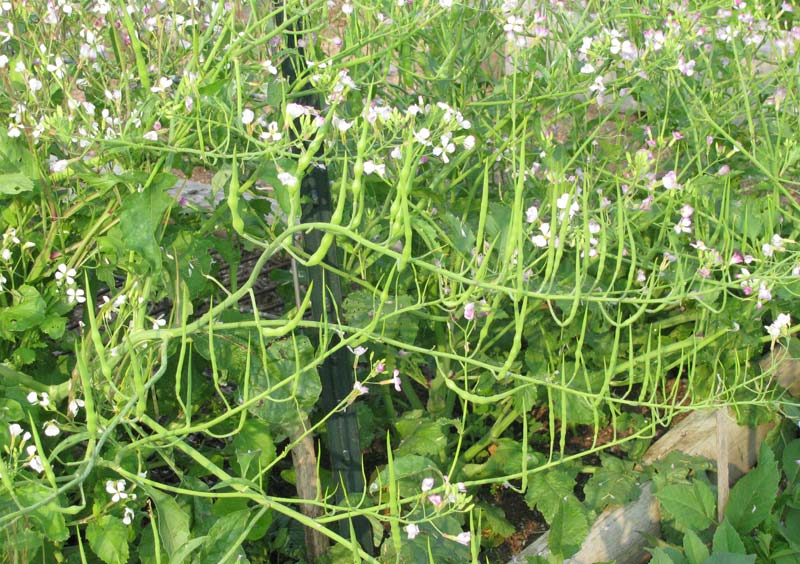
Heirloom Rats Tail Radish - Incredible


It sure sounds and looks weird but it tastes like regular radish. Great in hot climates
The aerial Rat Tail Radish came from Asia in the early 1800's. It was in vogue in the U.S. around the Civil War, but has been virtually unobtainable since.
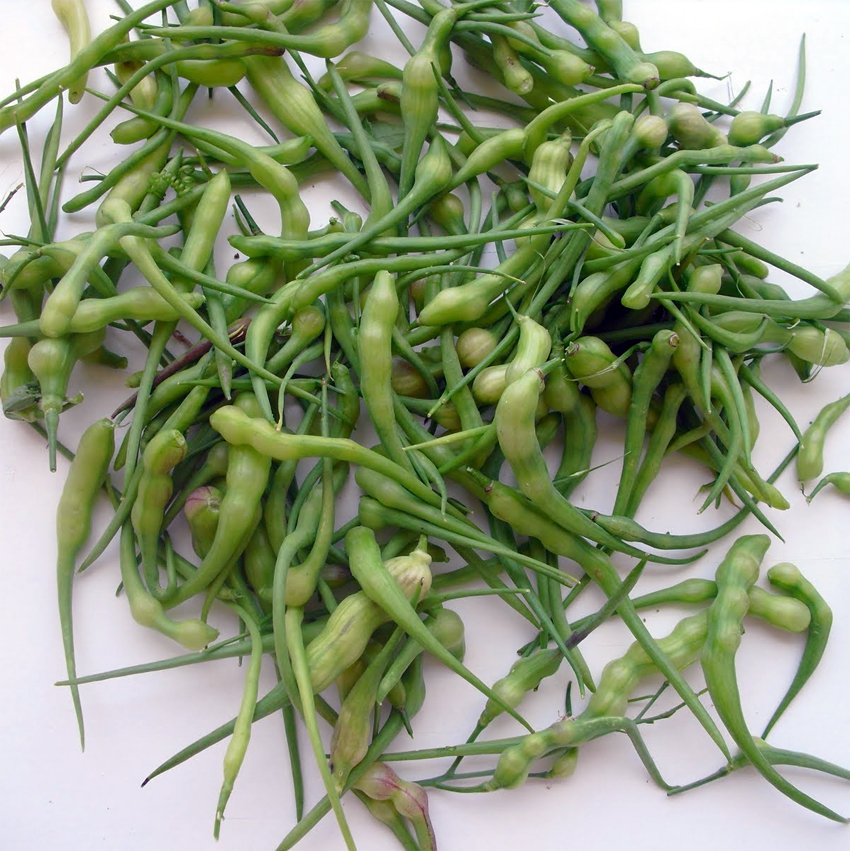
Delicious, unusual, yet surprisingly versatile, the pods are produced by the dozen in great masses.
 

Unlike the more familiar radish, which is grown for it's roots, the rat's tail radish is harvested for it's crunchy pods. They resemble chillies, but taste like a young rooted crisp radish. Rat's tail radishes are quick to mature you can expect to harvest your crop within six weeks and pick all summer long..

Pick the seedpods when they are mild, crisp and about 6 inches long. Unlike other radishes, rat-tail thrives in summer heat will bear all summer long. Eat raw, stir fried, or pickled.

Rat Tail Radish Seeds

Digg this

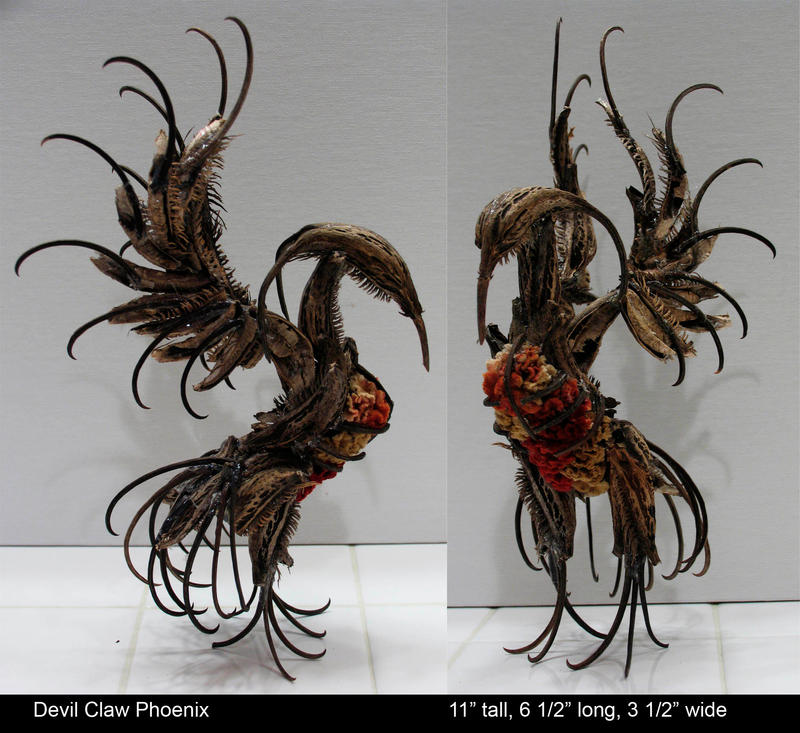
Red Devil's Claw Proboscidea (sp)

Another weird plant. Devils Claw. 

Proboscidea parviflora is a species of flowering plant in the family Martyniaceae known by the common names doubleclaw and red devil's-claw. It is native to the desert southwest of the United States and northern Mexico, where it grows in sandy, dry, and disturbed habitat and blooms during the hot summer. 

This is an annual herb growing from a taproot and producing sprawling, spreading stems.
The flower is white to pink or purple, sometimes with mottling or lines of spots in the throat, and often a purple blotch on the upper lip.
 

The fruit is a large seed pod are a few inches long. As the fruit dries the tail cracks open and splits into two hooked, claw-like halves. The young fruits and seeds were used for food and the dark-colored hardened dry fruits were used in basketry local Native Americans. Pods are much sought after by artists.

Seeds found here


More from this artist:

 Here is an awesome set of sculptures made with Devil Claw Pods by "Art from the Heart". 
http://art-fromthe-heart.deviantart.com/gallery/7318792

Digg this