The plant prefers light (sandy) soils, requires well-drained soil and can grow in nutritionally poor soil.The plant prefers acid, neutral and basic (alkaline) soils. and can grow in saline soils.Sunday
Mediterranean Succulents
The plant prefers light (sandy) soils, requires well-drained soil and can grow in nutritionally poor soil.The plant prefers acid, neutral and basic (alkaline) soils. and can grow in saline soils.
Posted by
Garden Medusa
1 comments
Labels: blooming ground cover, Carpobrotus edulis, Carpobrotus edulis seeds, exotic ground cover, exotic seeds, rare seeds, Succulent seeds, Succulents
Tuesday
Brazilian Dutchman's Pipe Aristolochia gigantea
This vine has fleshy heart-shaped leaves and large flowers exceeding a foot long and at least 6 inches wide. The flower is astounding, impressive, strange and sinister at the same time. The mouth of the pipe-shaped flower expands to a huge size and is colored with a maroon and white netting effect. In the “mouth” there is a central yellow spot where an opening leads into a closed pouch. The back view of the flower superficially resembles a pair of lungs with a canal leading into a stomach-like pouch. The blossom is over 14 inches (36 cm) long.
These huge, lemony scented flowers bloom from summer until late winter and are a sight to behold
Aristolochia gigantea usually grows in tropical regions from Panama to Brazil but it is incredibly hardy, and is an evergreen that will not die off at the first sign of a frost.
Seeds found here: Aristolochia gigantea
Posted by
Garden Medusa
4
comments
Labels: Aristolochia gigantea, bizarre flower, Brazilian Dutchman's Pipe, exotic flower seeds, Giant Calico, rare vine, unusual flower
Thursday
Growing Your Own Pistachio Nuts Pistacia Vera
US Seed source
Posted by
Garden Medusa
3
comments
Labels: fresh pistachio, fresh pistachio seeds, fresh pistacio, green peanut butter, grow your own pistacio, nut trees, pistachio plant, pistachio seedling, pistacio plant, pistacio seeds, raw nuts, raw pistachio
Brodé Galeux d'Eysines Squash
The bright orange flesh is nutty, sweet, firm, and without fibrous strings making it perfect for pies, steaming, baking, soups and more. Fruits grow to 10-20 lbs in size and keeps well.
Posted by
Garden Medusa
3
comments
Labels: Brodé Galeux d'Eysines, bumkin, farmers market, gourmet squash, peanut pumpkin, pink pumpkin, Pumpkin Tree, rare pumpkin, rare squash, rare vegetable, ugly pumpkin, wart pumpkin, winter squash
Wednesday
Blushing Bride Flower!
This gorgeous South African member of the Proteaceae family reputedly derived its common name of “blushing bride” around 100 years ago when young men wore the flowers in their button holes when out courting in South Africa, the natural habitat to this lovely flower.
The rare Serruria florida is a highly desirable small shrub which grows a 4 ft high and wide. The foliage is feathery and hairy.
Because of this ability to trap any available moisture, Serrurias are very tolerant of dry soil conditions.
To grow Serruria successfully, their main requirements are freedom from all but light frosts,full sun and perfectly drained soil.
Blushing Bride flowers in Spring producing soft, papery white bracts or floral leaves, surrounding feathery tufts of white to pinkish flowers. The blooms are either a white/creamy color with a delicate blush of pink, or an all-over rose pink color. They are in high demand for floral work, especially wedding bouquets and normally command a high price.
Blushing Bride Seeds
Posted by
Garden Medusa
9
comments
Labels: australia, blushing bride, exotic flower seeds, exotic seeds, garden, rare flower, rare seeds, Serruria, Serruria florida, south africa, where can I find rare seeds
Tuesday
Aussie Waratah Telopea speciosissima
Posted by
Garden Medusa
3
comments
Labels: australian seed, cut flower, exotic flowers, flower seeds, rare flower seeds, rare seeds, speciosissima, telopea, waratah
Nelumbo lutea American Lotus
Rediscovered uses for the water lily. Even if you don't have room for a pond, there IS room for a Pond
circular leaves. Leaves are connected to the petiole in the center of the circle with no apparent slits in the side (an easy way to distinguish them from other water lilies).

Flowers are born off the top and have numerous stamen around a central pistil. Flowers last for two days in which time they can be pollinated by insects. This species is almost extinct in the wild.
All parts of the Lotus has food and or medicinal properties and make a great gift!
Seeds are available here and are very easy to germinate.
Posted by
Garden Medusa
3
comments
Labels: American Lotus, floral arrangements, floral art, Nelumbo lutea, pond lily, pond lily in vase, pond lily seeds
Thursday
Nice! Blue Butterfly Vine
Produces a wonderful display of 2 inch vivid blue flowers from mid to late summer. Prefers full sun to light shade, are very drought tolerant and are well-adapted to a variety of soil types.
These will bloom all year long in frost free zones or inside as an exotic vining houseplant.
Ideal for covering trellis in a sheltered part of the garden, as a perennial in a conservatory or as a hanging plant, attracting many bees and butterflies.
Climber to 6-8ft. Zone 8+
Posted by
Garden Medusa
1 comments
Labels: Blue Butterfly Vine, Blue flower, Blue Vine, Clitoria ternatea
Sunday
Margarita Lemon and Lime Citrus Slice Earrings
Posted by
Garden Medusa
1 comments
Labels: citrus slice, handmade jewelry, lemon earrings, lime earrings, lonestar beadery, margartita earrings
Thursday
A Black Flowering Vine
Also known as Black Coral or Tiger Snake Vine / Kennedia Nigricans
This is a beautiful flowering vine from Australia. It has very striking flowers due to the combination of colors. Deep maroon petals shade to almost pure black, with a striking contrast of a yellow lip. A short lived perennial, it is nonetheless easy from seed and will set a profusion of seed if allowed.
It will grow to be a scrambling climber with stems of up to 30 Ft. In the absence of any support the stems will scramble making a useful ground cover. It can also be used very effectively in hanging baskets. It produces a profusion of flowers all through the summer. Hardy to Zone 8/9 and tolerant of a wide range of growing conditions. It will withstand moderate frost.
Posted by
Garden Medusa
1 comments
Labels: black coral vine, black flowers, black vine, Kennedia Nigricans, tiger snake, Tiger Snake Vine, Yellow jacket
Monday
Portlandia Cubanola Domingensis - A Tree Lily !!!!
The spectacular Lily Tree, also known as Campanita Criolla, comes from the Dominican Republic and Cuba and is considered an extremely rare specimen plant, recommended for your green house, tropical sun room or outdoors zone 10+. It does not tolerate frost and does well in 1-5 gal containers.Cubanola domingensis is an evergreen shrub, with shiny deep green leaves and approximate 10 inch long tubular, very fragrant, crème colored flowers with a slight green tint.
If planted outdoors, the plant needs lots of water during the summer months, and during winter, just enough water to keep the roots from drying out. This beauty needs well draining soil and does not tolerate "wet feet".
It took me over 2 years to track that rare baby down and managed to get my hands on seeds!!! This got to be one of the hardest of plant seeds I've ever hunted for.
Edit: Seeds germinated with a relatively high germination rate. They do however take a very long time, several months, so patience and keeping the environment free of mold is of the essence.I soaked the seeds for a few days in warm water with a drop of 3% hydrogen peroxide. Then I placed the seeds in a coffee filter, folded it, sprayed it with a little water until moist and placed it in a zip lock bag on a seed warming mat so I could see whats going on. After a few months they started to sprout. When the seedlings were about 1/4 to 1/2" they were placed in lightweight seed starting mix in a warm location but without a heating mat so the babies wouldn't bake. So far so good! :)
Seed Source
Posted by
Garden Medusa
2
comments
Labels: campanita, Campanita Criolla, Cuban Lily Tree, Cubanola dominguensis, cubanola seeds, Domenican Trumpet Tree, Dominican Bellflower, Portlandia domingensis, rare brugmansia, where can I find exotic seeds
Tuesday
Sturts Desert Pea Swainsona formosa
Another unusual, it never ends!!!
Seeds available here
Sow in place, resents transplanting. Excellent specimens can be grown as conservatory plants. Half-hardy annual, 6-12" tall.
Posted by
Garden Medusa
4
comments
Labels: Clianthus formosus, Exotic Flower, exotic seeds, rare seeds, Sturts Desert Pea, Swainsona formosa
Thursday
Wolfberry or Goji Berry - Himalayan Superfood!
I got mine here: Goji Berry Seeds
Gouqizi or gouqi, the Chinese Mandarin names for goji ("wolfberry", Lycium barbarum L.), is a red-orange berry of the Solanaceae nightshade family that includes tomato, eggplant, chili pepper and potato.
Posted by
Garden Medusa
1 comments
Labels: fresh goji, goji berry, goji germination, goji seeds, lycium barbarum, superfood, wolfberry
Friday
A Different Kind of Hawaiian Lei Flowers
Calotropis gigantea (Crown flower) is a species of Calotropis native to Indonesia, Malaysia, Philippines, Thailand, Sri Lanka, India and China.
The clusters of waxy flowers are white or lavender, and have a little "crown" in the center composed of five downward-pointing, twisted petals that resemble an elegant miniature royal crown. They are produced in bunches among the leaves, which are light green and fuzzy on both sides, growing on succulent milky stems. When fully grown, each small tree or large bush can support hundreds of Monarch butterflies as the adults sip nectar from the flowers and the caterpillars eat the leaves. Don't worry about the caterpillars, as the plant will quickly regrow whatever they eat and more, but do protect it from the cold. It is not frost-hardy at all and must be planted in a large pot and kept indoors during winter.
There is another variety, Calotropis procera, with beautiful purple flowers
Posted by
Garden Medusa
0
comments
Labels: Calotropis gigantea, Giant Milkweed, Hawaiian Lei, Rare Succulent
Tuesday
Fresh Gourmet Asian Water Chestnuts! Yum!
Asian Water Chestnut Eleocharis dulcis
Posted by
Garden Medusa
1 comments
Labels: Asian Water Chestnut, Chinese Water Chestnut, Eleocharis dulcis
Friday
It's Time for Some Color!!!
I just bought masses of seeds to get started on the spring. I am so ready!!!!!! Pink is the first color of choice this time and off we go, planting our acquired seeds from the magnificent Pink Coral Vine
It's also called Queen's Wreath, Queen's Lace, Chain of Love, Chinese Love VineThe Pink Coral Creeper is native to Tropical America. Not often seen, the rare coral creeper is a favorite for its showy flowers seen mostly in summer and fall. Makes a fabulous container plant in cooler areas.
Coral creeper climbs on tendrils and has interesting heart-shaped leaves. Plant in full sun in most any soil. Water to establish, prune to control. Best used to run up supports such as a tree or a trellis. According to the seller, it is a carefree plant to own.
Posted by
Garden Medusa
2
comments
Labels: Antigonon leptopus, Chain of Love, Chinese Love Vine, Pink Creeper, Pink Vine, Queen's Lace, Queen's Wreath, rare plants, rare seeds
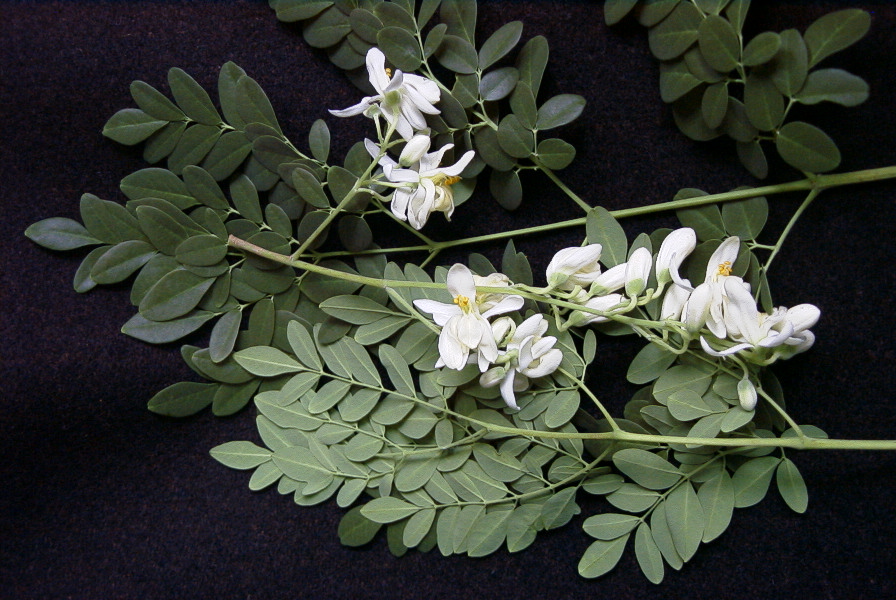
Moringa, Tree of Life
February to March. Moringa produces cream colored flowers when it is 8 months old and the flowering season begins in January and continues through to March. The fruit ripens from April to June and the pods are triangular in cross section, 30 to 50cm long and contain oily, black, winged seeds.
Temperature
It will survive in a temperature range of 25ºC to 40ºC but has been known to tolerate temperatures of 48ºC and light frosts.
Soil
Moringa prefers neutral to slightly acidic soils and grows best in well-drained loam to clay-loam. It tolerates clay soils but does not grow well if waterlogged
This is a plant of wide and diverse uses.
· Human food
· Animal fodder
· Water purification
· Natural medicines
· Fertilizer
· Living fence
· Natural pesticide
· Domestic cleaning agent
· Fuel wood and other uses
Its leaves are said to contain 7 times the vitamin C of oranges, 4 times the calcium in milk, 4 times the vitamin A in carrots, 3 times the potassium in bananas, and 2 times the protein in milk.
Human food
All Moringa food products have a very high nutritional value. You can eat the
leaves, especially young shoots, young pods, flowers, roots, and in some
species even the bark. Leaves are low in fats and carbohydrates and rich in
minerals, iron and vitamin B.
Fresh leaves
Of all the products of the tree the leaves are used the most. They become
tougher as they get older so it is best to pick the growing tips and young
leaves. Remove the leaves from the woody stem, as this will not soften
during cooking. The leaves can be used in the same way as spinach. An
easy way of cooking them is to steam 2 cups of freshly picked leaves for a
few minutes in one cup of water, seasoned with an onion, butter and salt or
other seasonings according to taste.
Seeds Found here
Posted by
Garden Medusa
2
comments
Labels: Árbol del ben, Drumstick tree, Horseradish tree, Malunggay, Morango, Moringa, Moringa oliefera, Moringa pterygosperma, Mother’s best friend, Suhanjna, West Indian ben
Phanera Fairy Vine Bauhinia corymbosa
A stunning and hard to find evergreen vine in sub-tropical conditions, that can be semi-deciduous in cooler climates with older leaves dropping in cold winters. The beautiful vine has very attractive and unusual foliage and orchid-like flowers with unique 2 lobed leaves.
The pale pink flowers with dark veining are abundant from spring to autumn and are complimented by the purple tinged new growth. It is perfect for covering a pergola, fence or over a tree and is spectacular as a ground cover especially when in flower.
Posted by
Garden Medusa
0
comments
Labels: Bauhinia corymbosa, Fairy Vine, Orchid Vine, Phanera
Tips for these hard to germinate seeds....
Hydro Soil is the perfect medium to grow seeds, especially those difficult to start seedlings. Biodegradable and non-toxic.
You will need:
- Hydro Soil (-flavorless, dye free prepared gelatin works also)
- Water Sterilized containers such as baby food jars or small yogurt containers
- Sheet of clear plastic or piece of glass
- Powdered cinnamon
Prepare dry hydro soil per instructions. Pour at least 2 inches of the mass into sterilized containers and push at least 3 seeds in each gelatin filled container. Place your containers in a warm, sunny spot and cover with clear plastic or glass.
Be mindful of mold forming. To reduce the danger of mold, you can use boiling water to hydrate the dry soil crystals, but be sure to let it cool down before you plant any seeds. If you see mold, just dust with a little powdered cinnamon to keep the mold in check.
Once your seedlings have sprouted and are about an inch or two tall, transplant them (with the hydro soil) into the seed starting mix. It will continue to provide moisture for your seedlings as they grow and you have less risk of injuring your new seedlings.
You can also use regular baking gelatin instead of hydro soil, this works also.
Gelatin is made from animal bone and therefore has high level of nitrogen and other minerals.
It will continue to "feed" your seedlings as they grow and you have less risk of injuring your new seedlings.
Hydro Soil Source
.
Posted by
Garden Medusa
1 comments
Labels: Chrystal soil polymer, germination aid, hydro soil, seed germination, seed propagation, soil free medium
Sunday
Spectacular Snowdrops on a Branch
The Japanese Snowbell is a beautiful small tree. Rounded and horizontally layered. 3/4-inch bell-shaped white flowers with yellow stamens. Dark green leaves turn yellow or orange-red in the fall. Native to Japan. Great to use as a border in a garden or to provide shade on a patio.
When choosing a location, keep in mind that the Japanese Snowbell has a moderate growth rate. It grows up to 30 feet in height and 30 feet in spread. It can be planted in zones 6 to 8. Prefers full sun to light shade and moist, acid, rich, well-drained soil. Shallow root system.
How To Start These Seeds:
Scarification: Soak in water, let stand in water for 24 hours.
Stratification: Warm stratify for 90 days, cold stratify for 120 days
Germination: Sow seed 3/8 inch deep, tamp the soil, mulch the seed bed.
If refrigerated upon receipt, these seeds can be stored for up to a year before you decide to use them.
Seeds found here:
Posted by
Garden Medusa
5
comments
Labels: Japanese Snowbell, Japanese Snowdrop, Japanese Snowdrop Styrax japonicus, Pink Chimes
Edible Dead Man's Fingers
Posted by
Garden Medusa
3
comments
Labels: Blue Cucumber, Blue Sausage, Bluebean, Decaisnea fargesii
Saturday
Green Living Natural Moss Jewelry
Posted by
Garden Medusa
1 comments
Labels: adorn, adorned, living jewelry, lonestar beadery, moss jewelry
Abrus precatorius Rosary Pea
The Rosary pea is a small, high climbing vine with alternately compound leaves, 2-5 inches long, with 5 to 15 pairs of oblong leaflets. The flowers are pale violet to pink, clustered in leaf axils. The pod is oblong, flat and truncate shaped, roughly 1½ - 2 inches long. This seedpod curls back when it opens, revealing the seeds. The striking seeds are small, brilliant red with a black spot and are used for jewelry and in percussion instruments.
Propagation: This plant species is propagated through seeds and very easy to grow.
Zone: 9 (10 to 20°F, down to about -6°C)
Note: The seeds are toxic if digested and care should be used when drilling.
US Seeds Source:
Posted by
Garden Medusa
0
comments
Labels: 'John Crow' Bead, Abrus precatorius, Crab's Eye, Hung Tou, Jequirity, poison plant, Precatory bean, Rosary Pea
Tuesday
Geissorhiza radians South African Wine Cup
Posted by
Garden Medusa
3
comments
The Thailand Parrot Flower
Impatiens psittacina Hook.f.
The Thailand Parrot Flower
Dork Nok Khaew
Flower Bird Parrot
These delicate parrot flowers simply hang there. Whichever angle you look at them from you’d still see pink parrots. They’re a rare phenomenon.
Hooker originally stumbled upon the plant in India and brought back the seed to the Royal Botanic Garden Kew in London. Those seeds did not reproduce after the first year.
The parrot flower is one of nature's most beautiful creations. A rare plant and a protected species. The Thai government has elected to ban the export of seeds or plants because they are extremely rare. Punishment is severe for those who break this law.
Note: I have been seeing some questionable sellers from China offering these seeds. I am not sure what type if seeds they are selling (probably carrots), but they are definitely not Parrot Flower seeds!!
It angers me that fraud china sellers are duping people into buying rainbow roses, black rose and some other non existing junk. Don't get duped! Do your research!
Posted by
Garden Medusa
3
comments
Labels: exotic seeds, Flower Bird Parrot, Impatiens psittacina Hook.f, rare flowers, rare seeds, The Thailand Parrot Flower